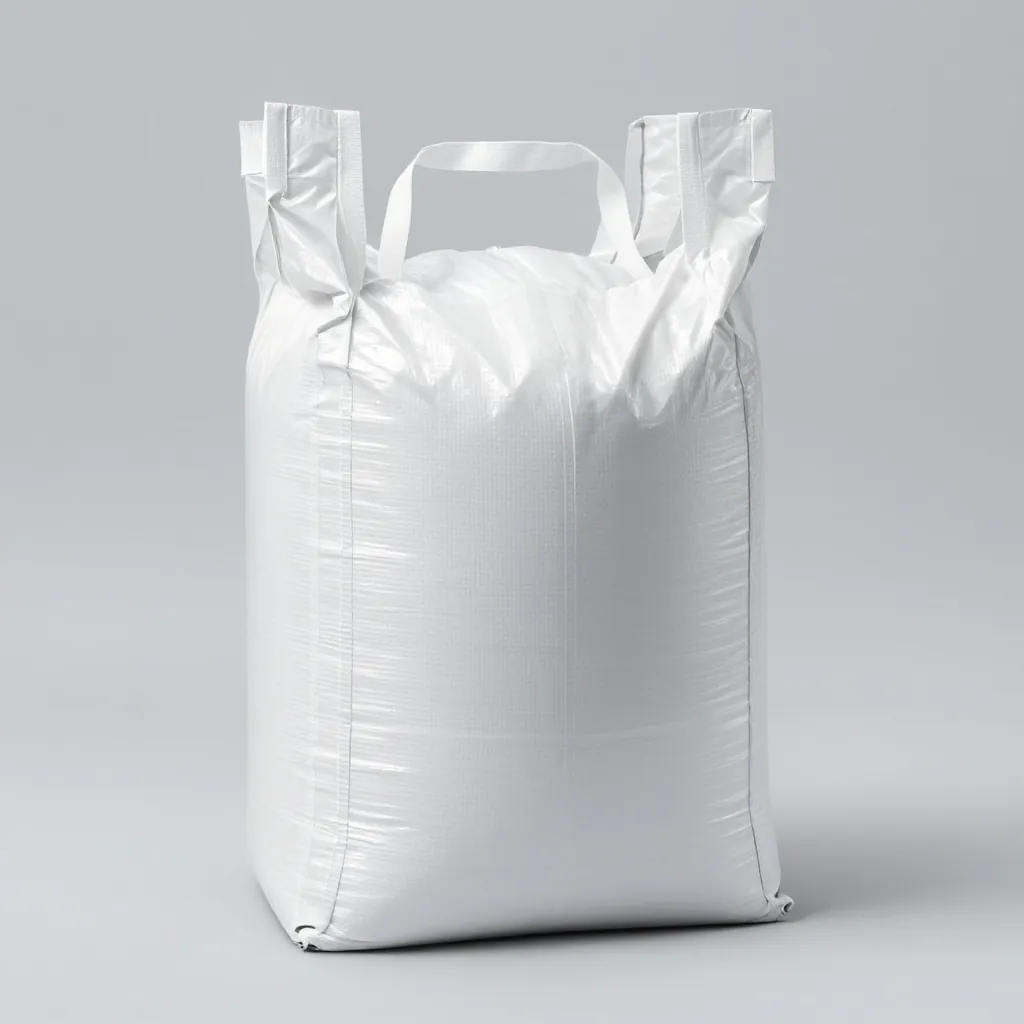
Coated FIBC (Laminate Moisture-Barrier Bulk Bag)
Coated FIBC bulk bags with PP film laminate for moisture-sensitive and fine-powder products. Blocks humidity and dust migration, keeps lithium battery materials, cement, food ingredients, and chemical powders in spec from plant to port.
Specifications
- SWL
- 500-2000 kg
- Safety Factor
- 5:1 (6:1 reusable)
- Fabric Weight
- 140-230 gsm
- Coating
- PP film laminate, 1-3 mil (inner or double-wall)
- Discharge
- Bottom-open / spout / valve
- Closure
- Open-top / self-closing flap
- UV Stabilization
- 1-3% (outdoor stock)
Features
- PP film laminate blocks humidity — keeps moisture-sensitive powders in spec
- Sealed weave surface stops fine-powder dust migration (cement, cathode, food powders)
- Double-wall option for maximum barrier and wash-down resistance
- Compatible with Type C / Type D anti-static construction
- Food-grade PE laminate available for edible and feed-grade products
Applications
Target Industries
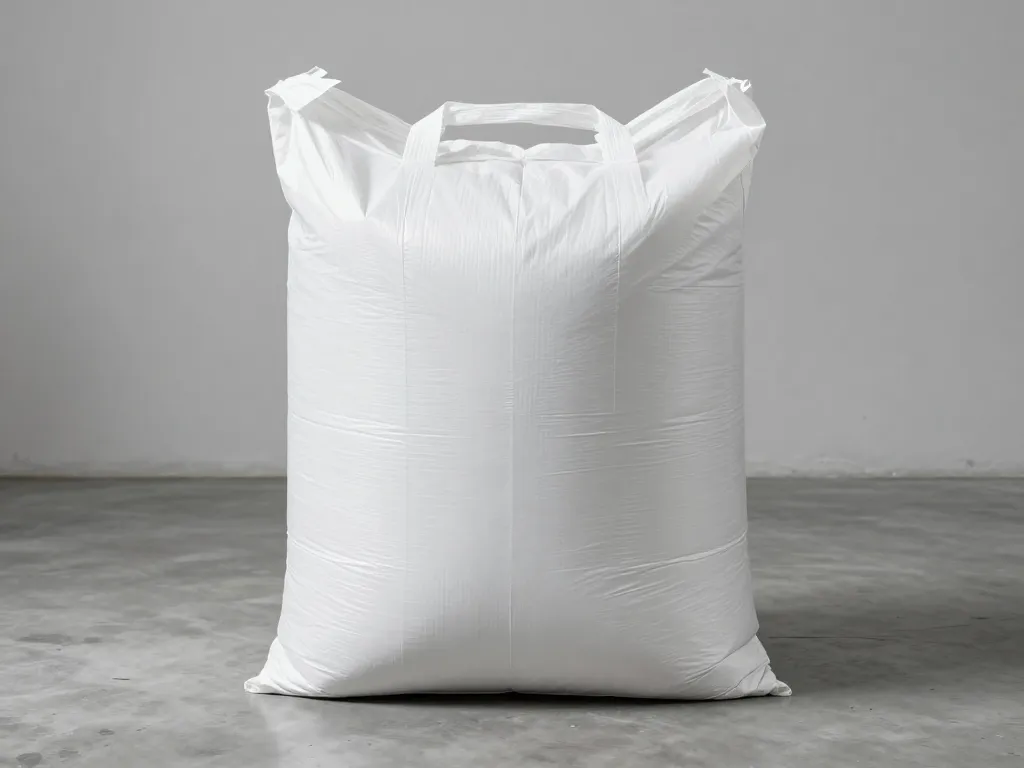
Coated FIBC bulk bags add a continuous polypropylene film layer to the woven fabric, sealing the open weave that defines a standard bag. The result is a moisture barrier, a dust stop, and a washable surface — the three properties that moisture-sensitive and fine-powder products actually need.
Coating matters when the product itself is the risk: lithium battery cathode and anode powders degrade with humidity exposure, cement and lime escape as fugitive dust through every gap in the weave, and food powders demand a surface that cleans out completely between lots. A plain woven bag, no matter how well constructed, cannot solve any of those three problems on its own.
How the Coating Works
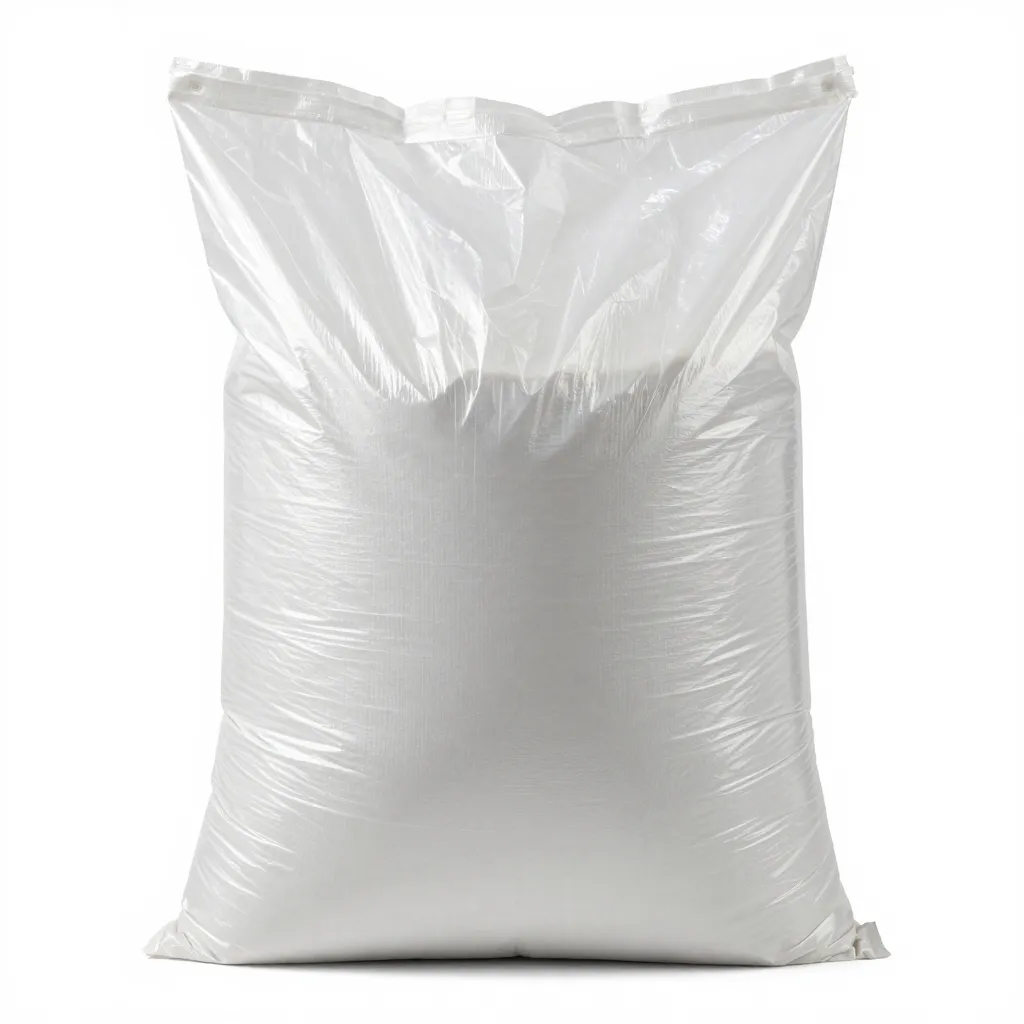
The laminate is a thin PP film — typically 1 to 3 mil (25 to 75 microns) — heat-sealed or extrusion-coated directly onto the inner face of the woven fabric before or after panel construction. The fabric carries the load; the film does the separating.
Inner Coating vs Double Wall
Inner coating is the standard configuration: film on the inside face only, outside stays the familiar woven texture for stacking friction and label adhesion. It blocks moisture ingress and powder migration at a cost of 8–15% over uncoated fabric.
Double-wall construction weaves the product layer between two fabric plies, or seals film to both faces, giving the strongest possible barrier. Double-wall is the correct answer for high-value hygroscopic materials (battery chemistries, specialty chemical powders) and for bags that will be washed, sterilized, or reused across customers. Our PE liners and coatings comparison covers when a removable liner beats a bonded coating.
Why Plants Switch to Coated Bags
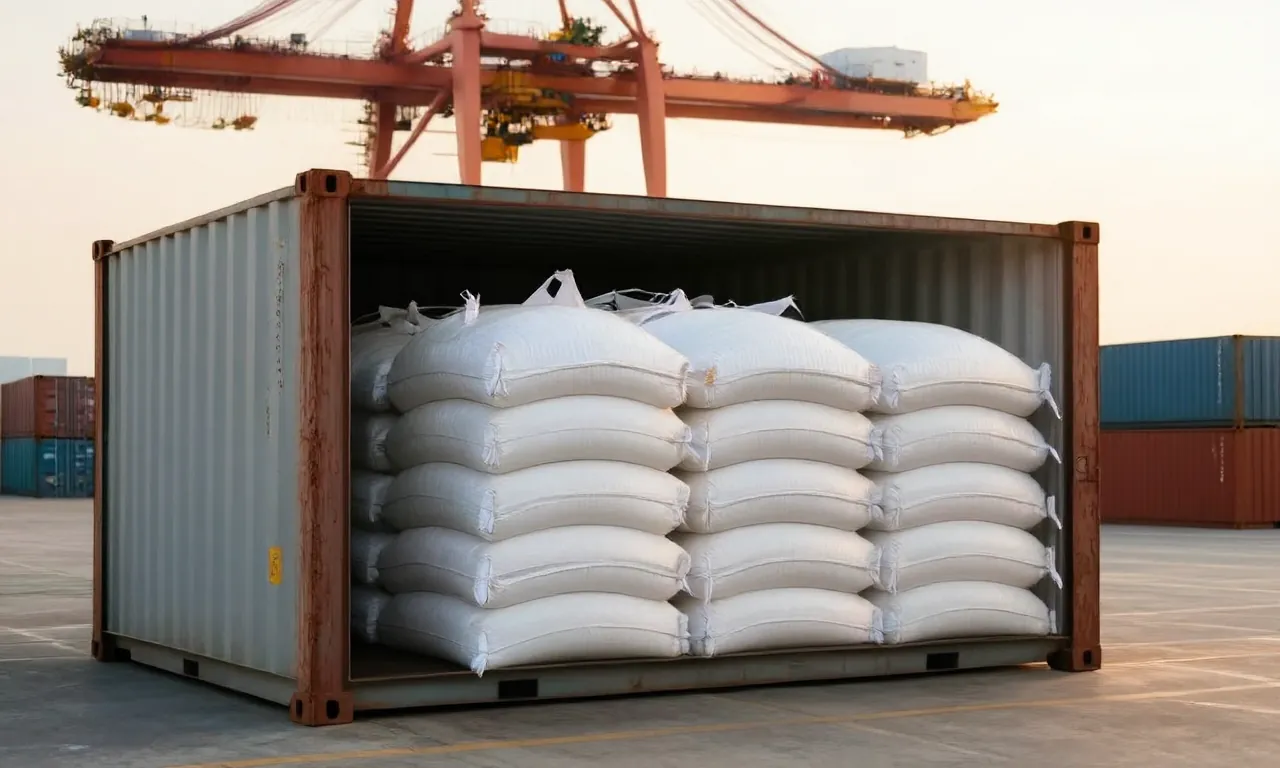
- Moisture control: the film keeps ambient humidity out of the product. On ocean legs through tropical ports, the difference between a coated and uncoated bag is the difference between passing and failing a water-content spec at the destination lab.
- Dust containment: fine powders (under 100 µm) pass through open weave readily. A coated surface stops migration at the fabric, cutting filling-area fugitive dust and housekeeping cost.
- Discharge recovery: powder that clings to an open-weave fabric stays in the bag. Coated surfaces shed cleanly — recovery above 99% is routine with a valve or spout discharge, versus 95–97% typical on uncoated bags.
- Cross-contamination control: a sealed, washable surface supports lot-to-lot changes without product carryover, which is the requirement that makes a coated bag re-usable at all.
Construction Options
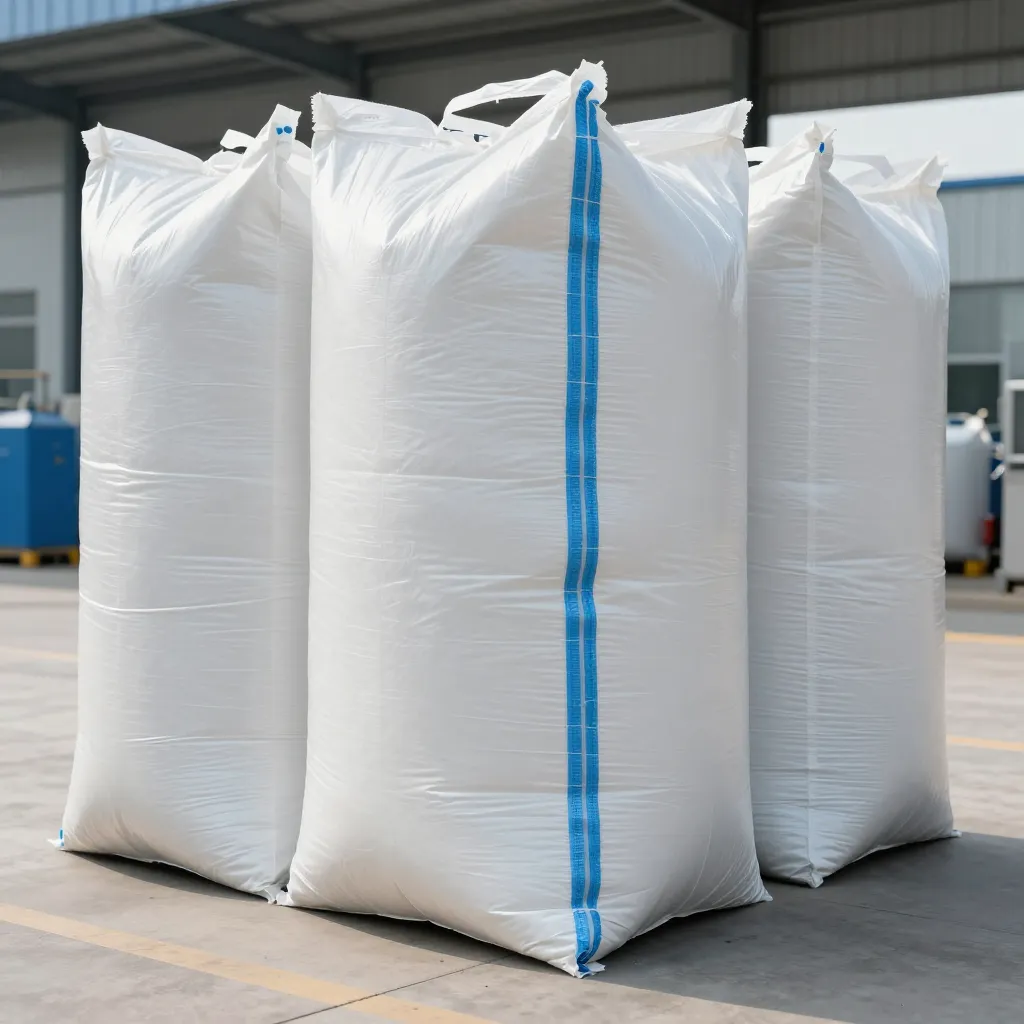
Coated FIBCs are built on standard 4-panel or baffle geometry in 140–230 gsm woven polypropylene with 1–3% UV stabilization for outdoor stock.
Capacity Classes
| SWL class | Typical size | Use case |
|---|---|---|
| 500 kg | 80×80×100 cm | Specialty powders, battery precursors |
| 750 kg | 90×90×120 cm | Detergent and food-grade powders |
| 1000 kg | 100×100×120 cm | Cathode/anode powders, cement, minerals |
| 1500-2000 kg | 110×110×140 cm | High-density granules and pellets |
Anti-Static Compatibility
For products that generate electrostatic charge during pneumatic transfer — battery materials, plastic powders, reactive chemicals — the coating pairs with a conductive or static-dissipative fabric system. Note that the laminate itself is insulating, so the anti-static path must run through the fabric construction and loops, not the coating. Our Type B, C, or D comparison works through the selection logic, and the coating types guide covers film options in detail.
Discharge
Bottom-open is common for construction and mineral products; valve discharge is the standard for fine, high-value powders where recovery and dust control at the destination decide the economics. See the filling and discharge design guide for sizing.
Applications by Product
- Lithium battery cathode and anode powders — the defining 2026 application: hygroscopic, fine, valuable. Coated double-wall construction with static-dissipative fabric; see FIBC packaging for lithium battery materials and a real export deployment.
- Cement, lime, mineral powders — high-volume dusting applications where the coating pays back in housekeeping and recovery.
- Sugar, salt, starch, flour, premixes — food-grade PE laminate, washable surface, lot-change discipline.
- Fine chemical and polymer powders — moisture barrier plus, where needed, Type C conductive or Type D dissipative construction.
- Plastic pellets and granules — outdoor stock durability, UV-stabilized, moisture protection over multi-month storage.
Specifying a Coated FIBC
Three numbers drive the quotation: film thickness (1, 2, or 3 mil), wall configuration (inner vs double-wall), and the fabric system (plain, Type C, or Type D). Everything else — capacity, closure, discharge, printing — follows the standard FIBC spec. If you are packaging a moisture-sensitive or fine-powder product and your current bags are uncoated, ask for a side-by-side recovery and water-content comparison before the next order: on battery-grade materials, the coated bag usually earns its premium in the first container.