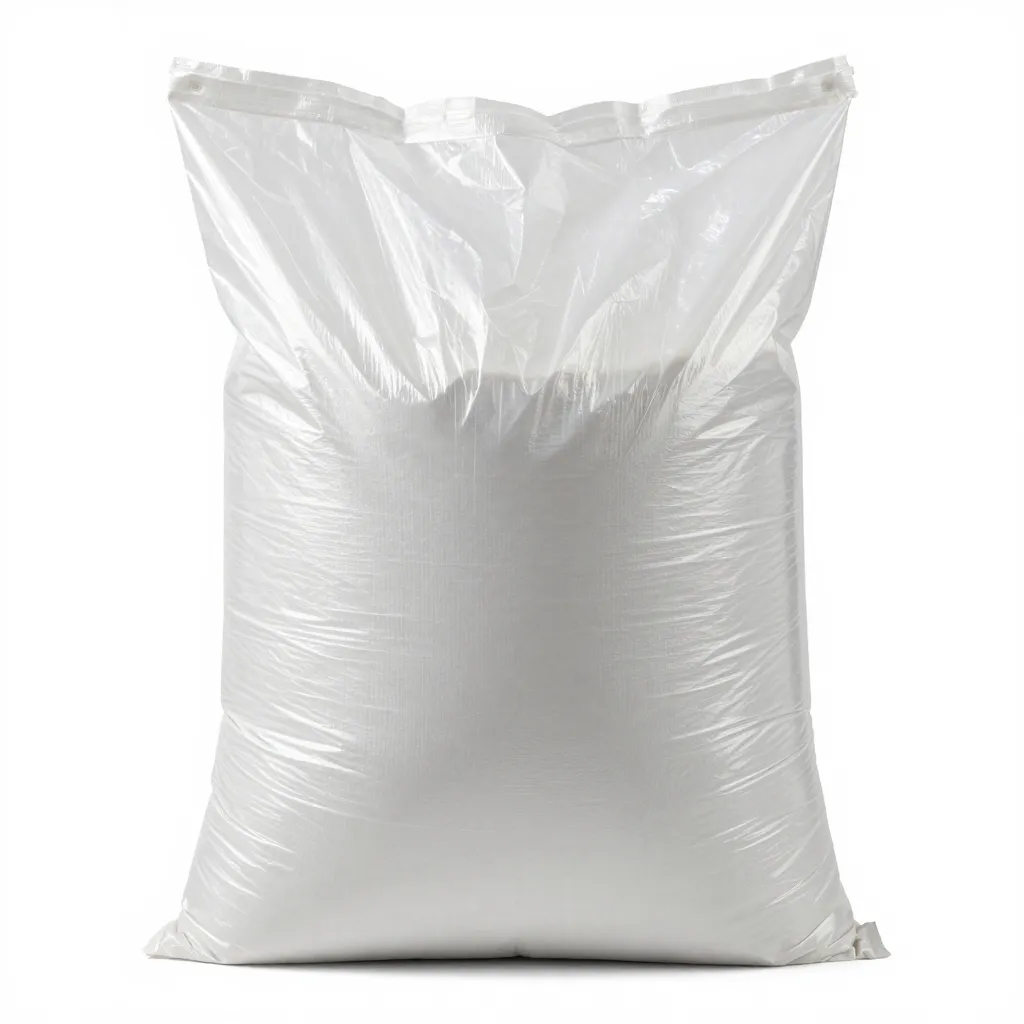
FIBC PE Liner Bag
Polyethylene liners for FIBC bulk bags providing moisture protection, contamination control, and product containment — available in LDPE, LLDPE, and custom form-fit configurations.
Specifications
- Material
- LDPE / LLDPE / HDPE
- Thickness
- 1.0–8.0 mil (25–200 µm)
- Standard Gauge
- 3.0–5.0 mil
- Temperature Range
- -40°C to 80°C
- Barrier
- Moisture / Dust / Contamination
- Certification
- FDA compliant grades available
Features
- Moisture barrier protection
- Contamination prevention
- Available in tubular, form-fit, and baffle types
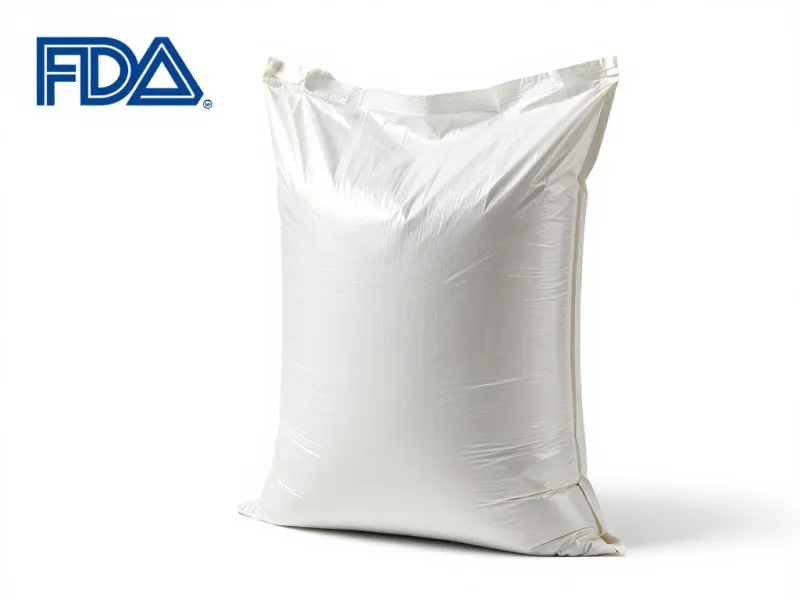
- FDA-compliant food-grade grades
- Custom thickness and dimensions
Applications
Target Industries
Polyethylene liners are the most widely used inner barrier for FIBC bulk bags, and with good reason — they provide reliable moisture protection, contamination control, and product containment at a fraction of the cost of the bag itself. While the outer woven polypropylene bag delivers structural strength, it is the inner PE liner that determines whether moisture-sensitive powders stay dry, whether fine particles stay inside, and whether food-grade products maintain their required purity. Selecting the right liner material, thickness, and form factor is one of the most consequential decisions in bulk packaging procurement.
PE Liner Material Options
Three primary polyethylene grades are used for FIBC liners, each suited to different application requirements. Low-density polyethylene (LDPE) is the most common choice, offering excellent flexibility, good moisture barrier performance, and the widest temperature tolerance range from -40°C to 80°C continuous service. Linear low-density polyethylene (LLDPE) provides higher puncture resistance and tensile strength at a similar price point, making it preferred for products with sharp particles or abrasive characteristics.
High-density polyethylene (HDPE) liners offer greater stiffness and chemical resistance but reduced flexibility compared to LDPE. They are typically specified for chemical products where stress cracking resistance is important, or where the liner needs to maintain its shape during automated filling. For most general applications, LDPE and LLDPE provide the best balance of performance, cost, and handling characteristics.
Liner Types and Form Factors
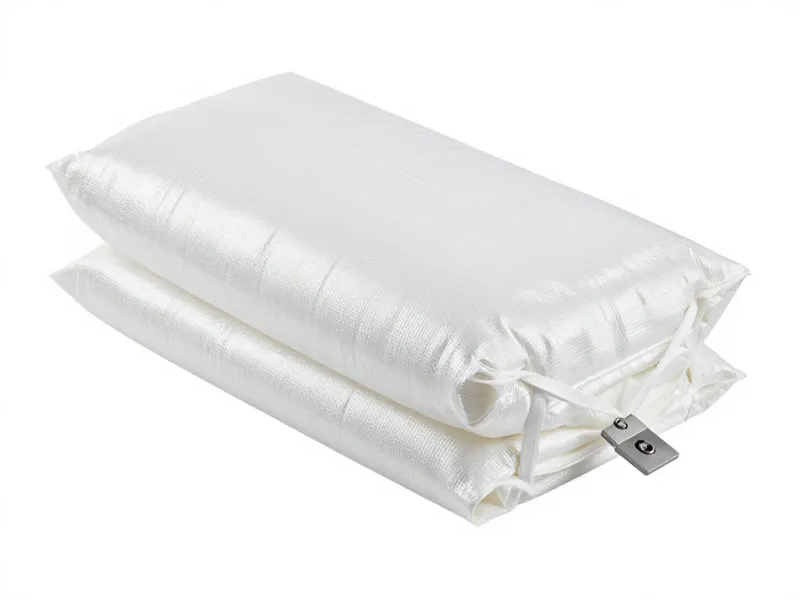
The physical configuration of the liner is as important as the material choice. Tubular liners are the most common and economical type — a simple tube of PE film that is inserted into the FIBC and either left open at the top or sealed after filling. Form-fit liners are pre-shaped to match the internal dimensions of a specific FIBC size and panel configuration, providing a snug fit that prevents liner shifting during filling and reduces the risk of creases that can trap product. Baffle liners are designed for use inside baffle bags and include the same internal baffle panels to maintain the bag’s square shape.
Bottle-neck liners feature a narrow filling spout integrated into the liner itself, useful for dust-free filling operations with fine powders. The choice between these form factors depends on filling equipment, discharge method, product flow characteristics, and whether the liner needs to be removed before product discharge.
Thickness Selection Guide
Liner thickness ranges from 1.0 mil (25 microns) for light-duty dry product protection to 8.0 mil (200 microns) for heavy-duty applications with sharp or abrasive materials. The standard gauge for most industrial applications is 3.0 to 5.0 mil (75-125 microns), which provides adequate puncture resistance for typical chemical powders, food ingredients, and agricultural products. Thicker liners add cost and weight but are justified when product value is high, product shape is sharp, or the consequences of liner failure are severe.
Food-Grade and Regulatory Compliance
For food-grade FIBC applications, PE liners manufactured from FDA-compliant resins are essential. These liners must meet FDA 21 CFR requirements for food contact substances, and reputable manufacturers provide certification documentation with each shipment. The liner material must be free from recycled content, heavy metals, and processing additives that could migrate into food products. For pharmaceutical applications, additional documentation including Drug Master Files (DMF) and compliance with USP Class VI standards may be required.
Pairing Liners with the Right FIBC
The liner and the outer FIBC work as a system, and selecting both components together ensures optimal performance. A 4-panel FIBC with a form-fit PE liner provides excellent shape stability with full product protection. For Type C conductive FIBCs used with flammable powders, anti-static PE liner grades are available that incorporate conductive additives to prevent charge accumulation on the liner surface. In all cases, the liner should be specified at the same time as the FIBC to ensure compatibility of dimensions, filling spouts, and discharge configurations.