Insulated FIBC Cold Chain for Dairy Powder Export
A Dairy Cooperative Exporter, East Africa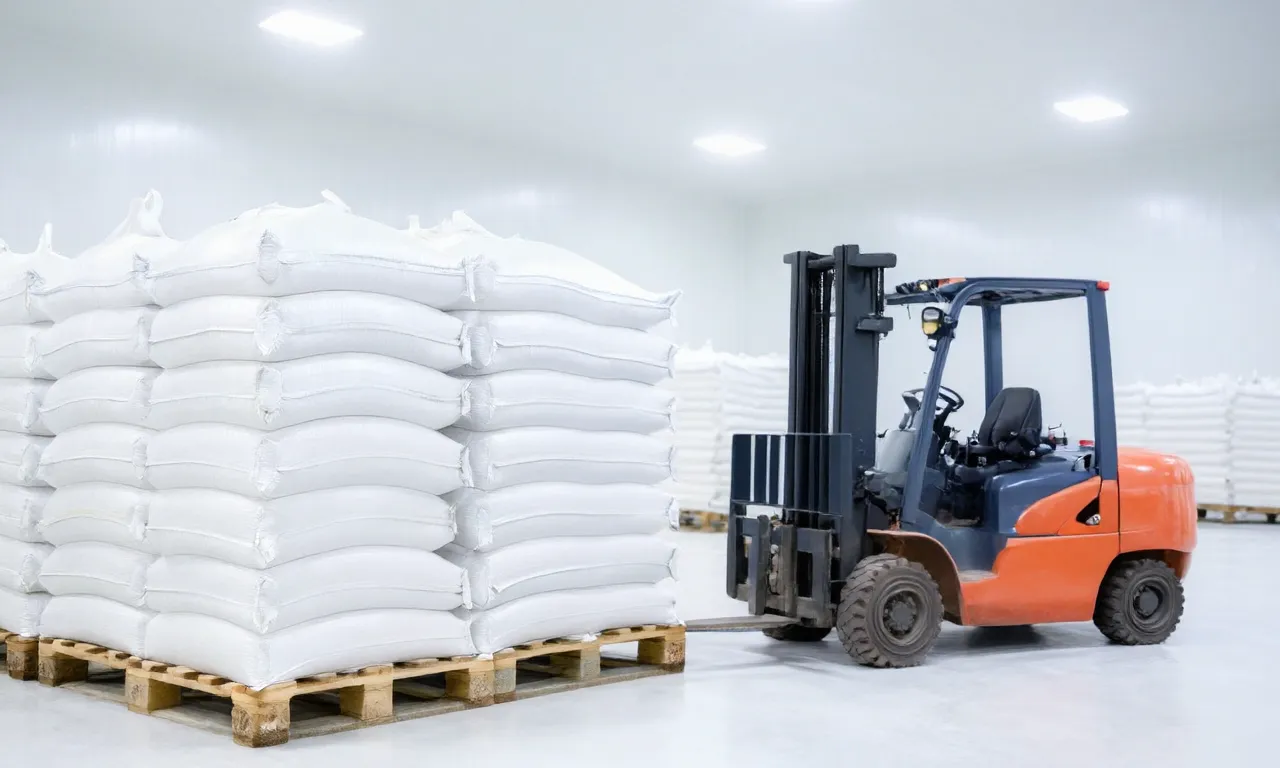
Challenge:
Exporting skim and whole milk powder to Middle Eastern and South Asian markets across 35-42°C ambient routes, where standard FIBCs allowed clumping, fat migration, and quality rejections at destination.
Solution:
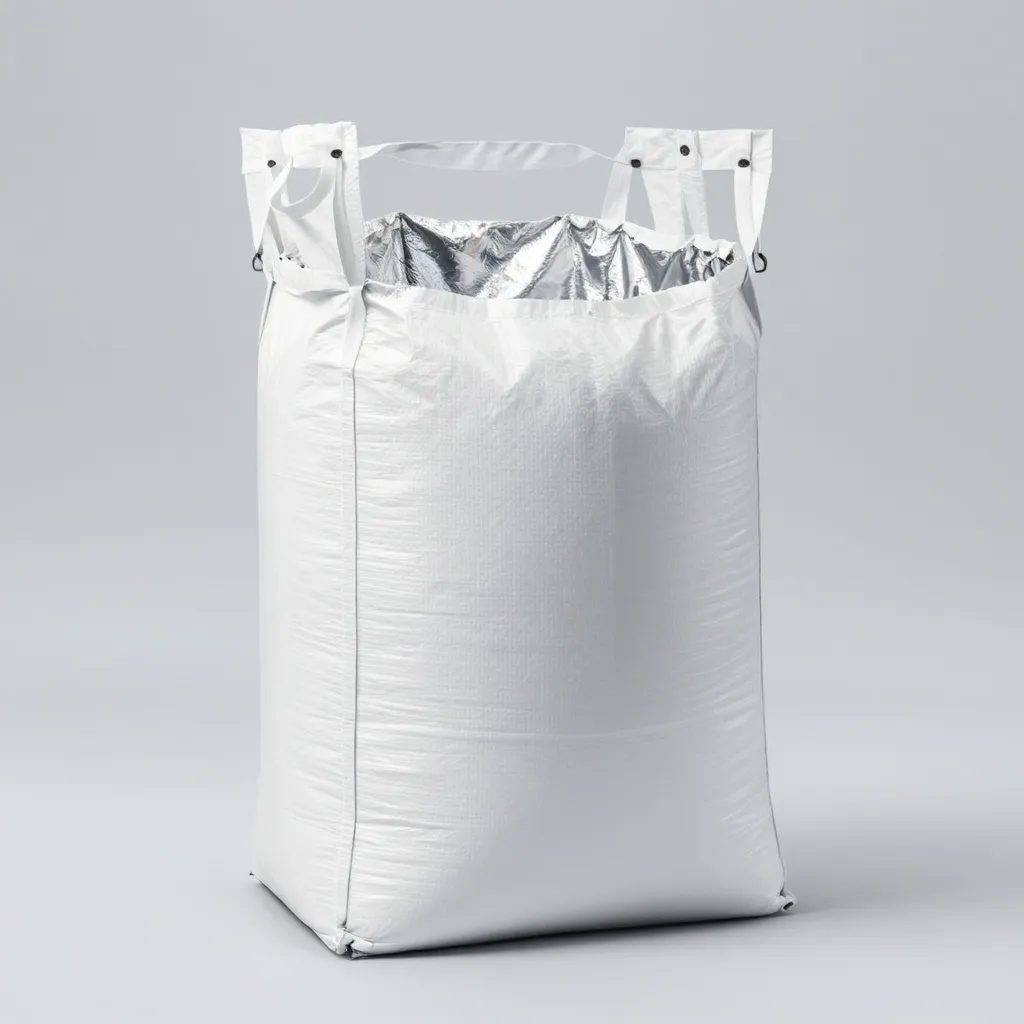
Double-wall insulated FIBCs with reflective foil layer and food-grade PE coating, staged in ventilated port storage, extending the 10°C margin for 96 hours beyond uncoated bag baselines.
Result:
Destination rejection rate fell from 6.8% to under 0.5%, shelf-life claims were extended by 3 months, and refrigerated container spend was cut by 40% for the affected routes.
Background
A dairy cooperative exporter in East Africa produces approximately 18,000 metric tons of skim and whole milk powder annually for export to Middle Eastern and South Asian markets. The cooperative aggregates milk from thousands of smallholder farms, processes it at two central drying plants, and ships powder in bulk to buyers who repack it into consumer formats at destination.
The export routing runs inland to the port of Mombasa, then by sea to Jebel Ali and Karachi — a total transit of 20-35 days depending on vessel scheduling and port congestion. The route crosses some of the hottest ambient conditions in world trade, with daytime temperatures on the Arabian Sea corridor regularly reaching 35-42°C.
For years the cooperative shipped powder in standard woven FIBCs with PE liners, treating packaging as a commodity cost rather than a quality control point. Destination feedback told a different story.
The Challenge
Destination rejections were running at 6.8% of shipped volume. Buyers reported clumping caused by moisture pickup, off-flavors linked to fat migration and oxidation, and physical deterioration of bags during long port dwells. Each rejected lot meant a claim, a discounted resale, or a full write-off — and, more damagingly, erosion of the cooperative’s reputation with buyers who had alternatives.
Refrigerated containers were not a viable answer. Reefer capacity on the Mombasa routes was scarce and priced at a 60-80% premium over standard containers, a cost structure that would have destroyed the economics of a low-margin powder trade. The cooperative needed a solution that protected product inside ordinary containers.
Port dwell compounded the problem. Shipments routinely waited 3-7 days at Mombasa and at destination in 40°C ambient conditions, during which standard bags offered no meaningful thermal protection and their plain PE liners allowed moisture vapor migration into the powder.
Our Approach
We supplied double-wall insulated FIBCs built around a reflective foil layer sandwiched between the outer woven polypropylene wall and an inner food-grade PE coating. The construction is engineered to hold a 10°C temperature delta over ambient for 96 hours, measured from the point of loading — enough to carry product through the worst of the port dwell and the early sea transit.
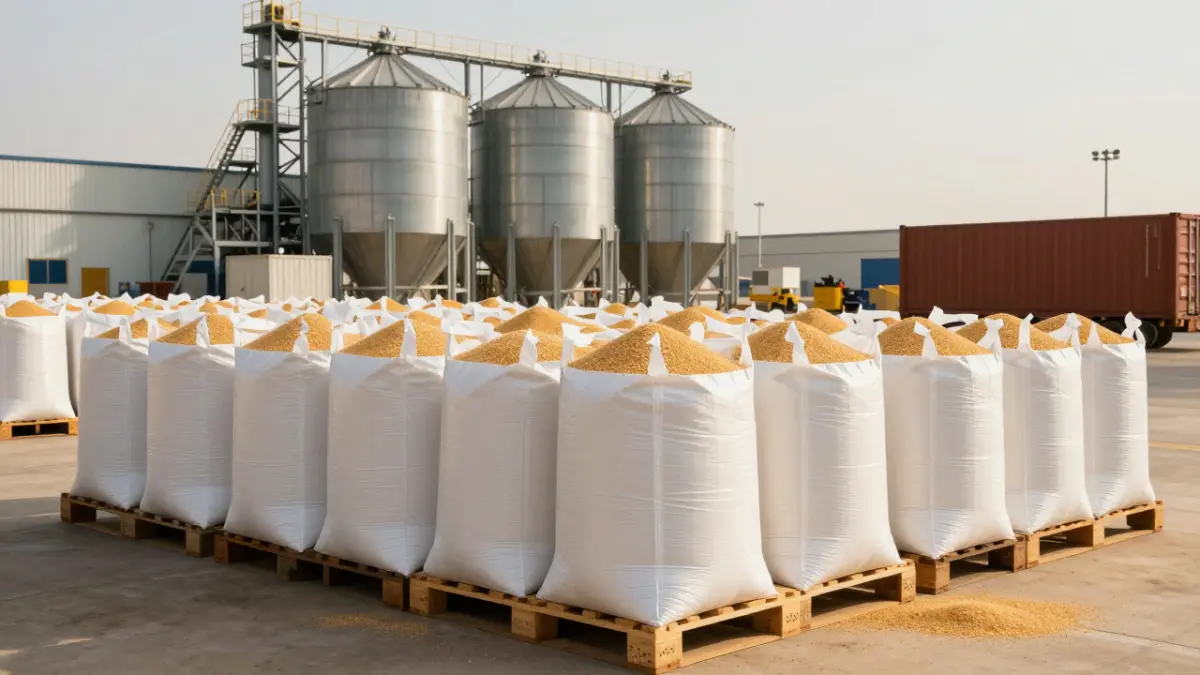
Loading discipline was as important as the bag itself. We worked with the cooperative’s packing team to load powder at or below 18°C, reducing the starting thermal load the insulation had to manage, and instructed that bags be staged in a ventilated, shade-covered area at the port rather than on open asphalt.
A temperature logger was placed with each palletized lot, giving the cooperative and its buyers a verified record of the thermal journey. Combined with the insulated construction, the loggers turned the cold chain from an assumption into a documented performance claim.
The Results
Destination rejection rates fell from 6.8% to under 0.5% across the first four quarters after the changeover. Clumping and off-flavor complaints, the two largest rejection causes, were effectively eliminated, and buyers reported powder arriving with the free-flowing texture expected at dispatch.
Shelf-life claims were extended by three months on the affected product lines, allowing the cooperative to service longer transit windows and consolidate shipments without quality risk. Refrigerated container spend on the affected routes was cut by 40% as buyers accepted insulated-bag shipments in standard containers.
The performance has translated into commercial growth. Two new buyers in the Gulf region placed repeat orders on the strength of the documented temperature records and rejection data, and the cooperative is now specifying insulated FIBCs as standard for all peak-season powder exports.