Mini FIBC Line for Specialty Chemical Manufacturer
A Specialty Chemical Manufacturer, East Asia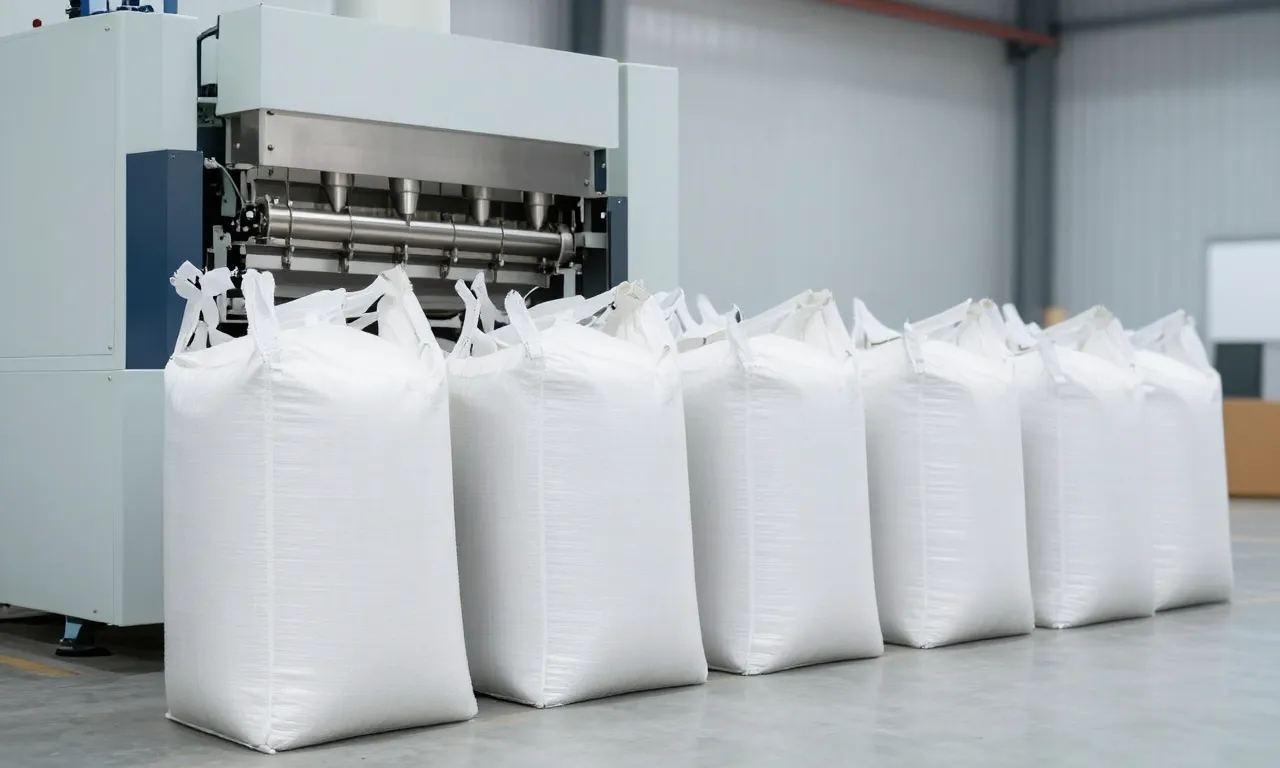
Challenge:
Manual 25 kg sack filling for multi-SKU specialty chemical and API intermediate lines limited throughput to 12 tonnes/day, drove 22% of labor cost into packaging, and created cross-contamination risk between products.
Solution:
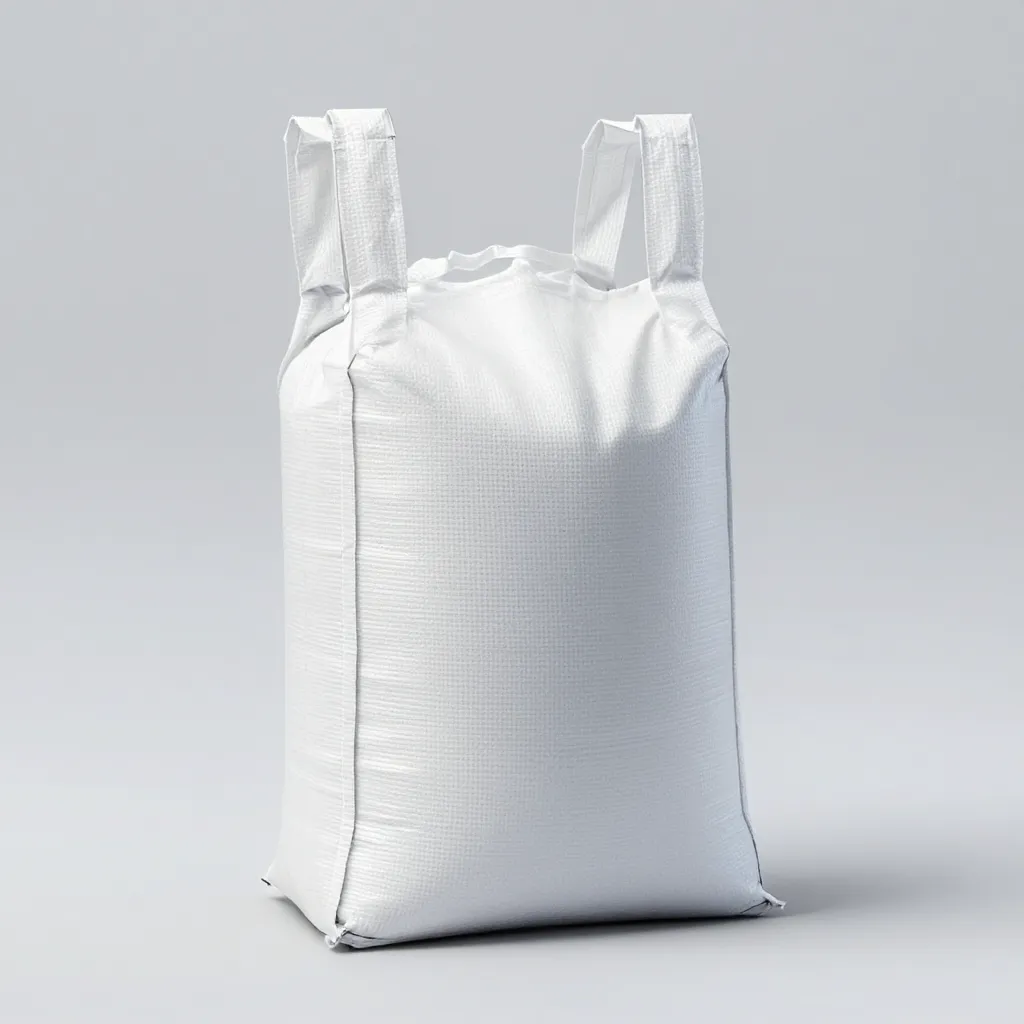
A dedicated 500 kg mini FIBC filling line with PE-coated food-safe construction, automated loop handling, and changeover protocol, replacing sack filling for 14 high-value SKUs.
Result:
Throughput rose from 12 to 48 tonnes/day, packaging labor dropped by 38%, and customer complaints over bag integrity and residue fell to zero across the first two production quarters.
Background
A specialty chemical manufacturer in East Asia produces more than 40 SKUs spanning specialty chemicals and pharmaceutical intermediates for customers in North America, Europe, and Japan. Fourteen of these are high-value products with weekly volumes of 0.5-2 tonnes each — too large for drum handling to be efficient, yet too small and too changeover-prone for the plant’s single conventional bulk filling line.
The plant’s packaging operation had grown around 25 kg paper and woven sacks, filled manually and palletized by hand. The approach was flexible across SKUs, which is why it had persisted, but it was consuming production capacity and labor at a rate the plant could no longer sustain.
Management had already automated upstream processing. Packaging was now the constraint that kept the plant from converting rising order volumes into throughput.
The Challenge
Manual 25 kg sack filling capped the affected lines at 12 tonnes per day. Each sack required individual placement, filling, weighing, and stacking, and the 14 high-value SKUs demanded careful segregation between runs — a discipline that slowed changeovers to a crawl.
Packaging absorbed 22% of the plant’s labor cost. The manual team ran two shifts, and workers rotating through the heaviest handling positions generated a steady stream of ergonomic injury reports and absenteeism that further degraded throughput.
Cross-contamination was the most serious problem. Residue left in filling equipment and bags at SKU changeover triggered customer complaints about product purity, and for pharmaceutical intermediate lines the residue risk represented a compliance exposure that quality audits flagged repeatedly.
Our Approach
We designed a dedicated 500 kg mini FIBC line for the 14 high-value SKUs, replacing sack filling for those products entirely. The mini FIBCs use a PE-coated, food-safe construction in the 90-160 gsm fabric range — light enough for economical mid-volume lots, strong enough for automated handling and 500 kg working loads.
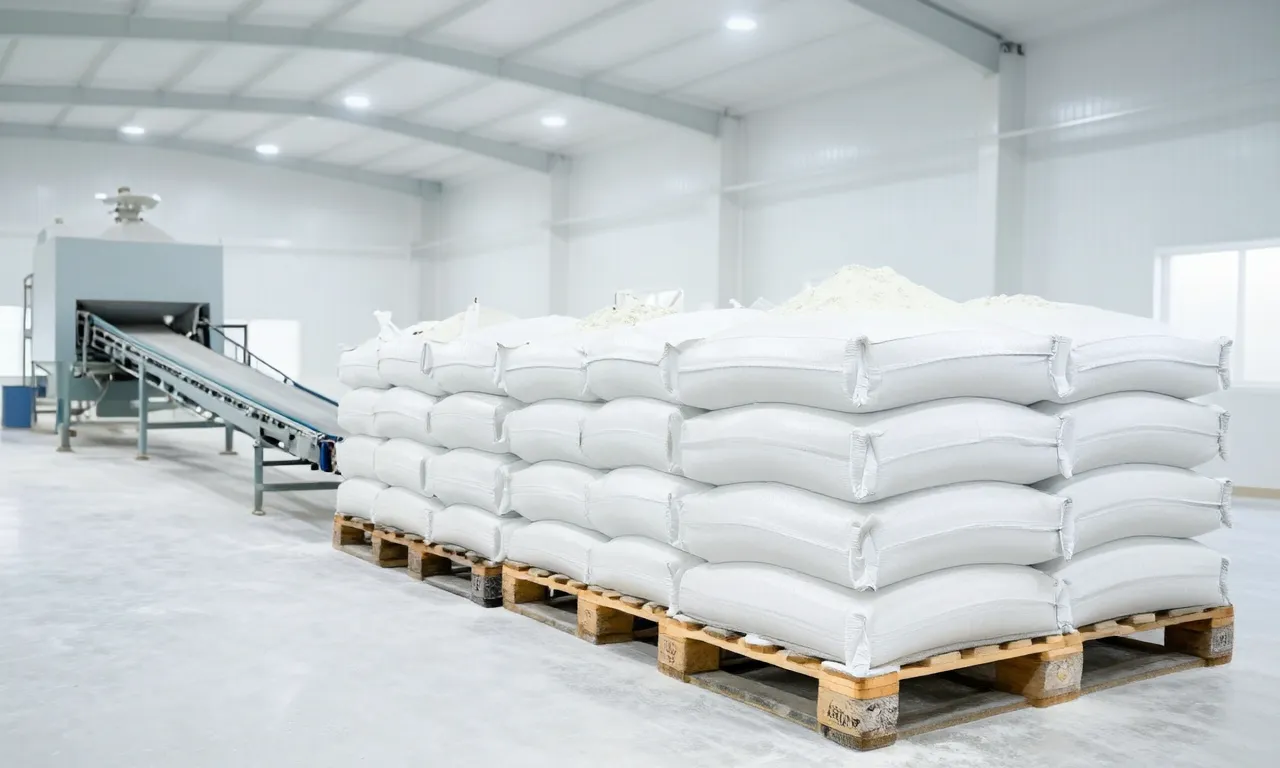
The line integrates automated loop handling built around 150-300 mm loops, which robotic grippers engage consistently without manual positioning, and automated filling with weigh-based cutoff. Filled bags discharge directly to a palletizer, removing manual stacking from the process.
A documented changeover and cleaning protocol governs every SKU switch: line purge, liner and bag verification, and a signed release before the next product runs. The protocol converts the plant’s strongest risk — residue between runs — into a controlled, auditable procedure.
The Results
Throughput on the affected lines rose from 12 to 48 tonnes per day — a four-fold increase — by replacing thousands of individual sack-handling steps with 96 automated 500 kg bag cycles. The plant absorbed the growth without adding packaging shifts.
Packaging labor cost dropped by 38% as workers moved from manual filling and stacking to line supervision and quality inspection. Ergonomic injury reports from the packaging area, previously a recurring cost line, stopped appearing.
Customer complaints over bag integrity and residue fell to zero across the first two production quarters, and the documented changeover protocol was cited positively in the plant’s next customer quality audits. Including line integration and training, the project paid back in 18 months — and the mini FIBC format is now under evaluation for the plant’s remaining mid-volume SKUs.