FIBC Bag Printing & Customization: Complete Branding Guide
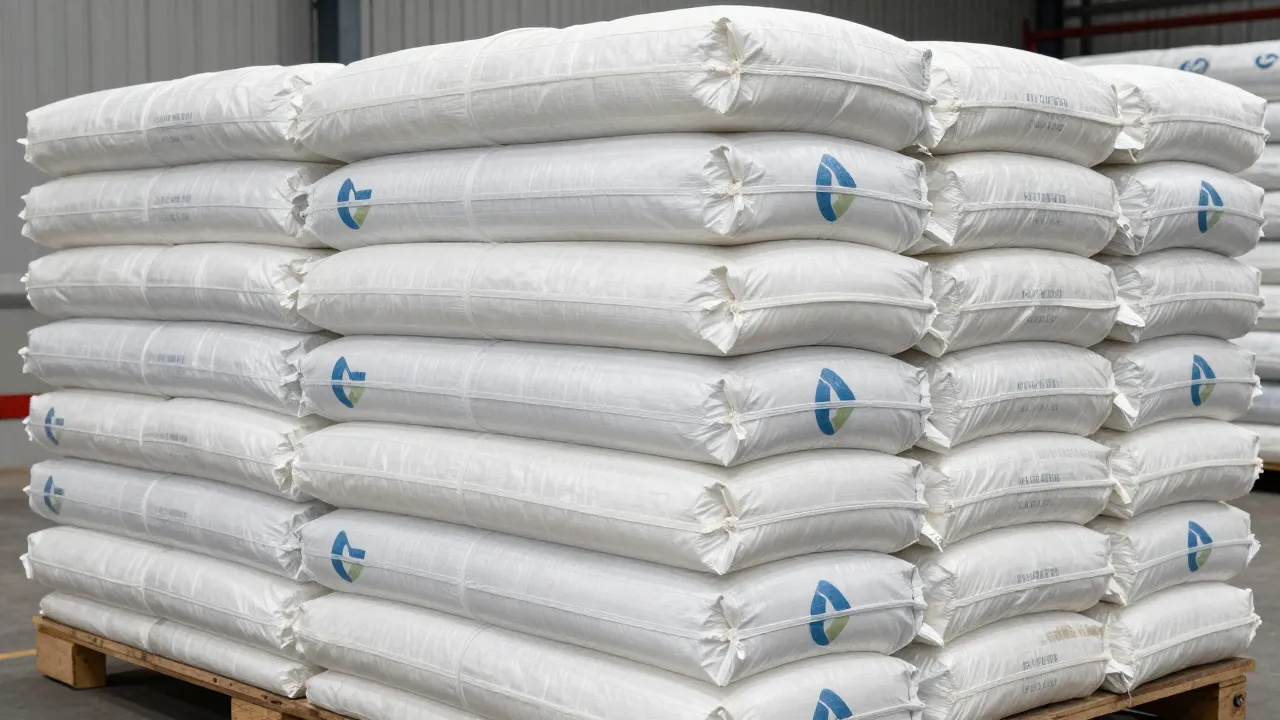
A bulk bag sitting in a warehouse, on a truck, or at a customer’s facility is a mobile billboard. It communicates who made the product inside, what standards it meets, and — when properly branded — that the supplier takes quality seriously enough to invest in presentation. Yet in FIBC sourcing, printing and customization are often treated as afterthoughts, specified at the last minute or not at all. This guide explains the available printing methods, design considerations specific to woven polypropylene, cost factors, and the practical decisions that lead to clear, durable, professional-looking printed FIBCs.
Printing Methods Compared: Flexographic vs Screen vs Gravure
Three printing technologies dominate FIBC customization, and each serves different requirements.
Flexographic Printing
Flexographic printing is the most common method for FIBCs, accounting for the majority of branded bulk bags worldwide. It uses flexible photopolymer plates mounted on rotating cylinders, with fast-drying solvent or water-based inks transferred to the fabric surface. Flexo printing handles large areas efficiently, supports up to four colors on standard equipment, and produces acceptable quality for logos, product names, and basic graphics at a cost of approximately $0.25 to $0.75 per bag depending on color count and coverage.
The primary limitation of flexo on woven PP is resolution. The textured surface of woven polypropylene limits practical detail to approximately 40-55 lines per inch, which is adequate for text, logos, and simple graphics but insufficient for photographic images or fine gradients. Ink adhesion is generally good when properly cured, and flexo-printed bags can withstand outdoor exposure for several months when UV-stabilized inks are specified.
Screen Printing
Screen printing uses a mesh screen through which ink is pressed onto the fabric, one color at a time. It produces thicker ink deposits than flexo, resulting in higher opacity and better visibility on dark or colored fabric. Screen printing is economical for small quantities — typically 500 to 2000 bags — where the setup cost of flexo plates would be prohibitive. The cost per bag is approximately $0.50 to $1.50 depending on colors and coverage.
The trade-off is production speed and multi-color registration accuracy. Each color requires a separate screen and drying step, making screen printing slower than flexo for large production runs. However, for small orders or designs requiring heavy ink coverage on dark backgrounds, screen printing remains the preferred method.
Gravure Printing
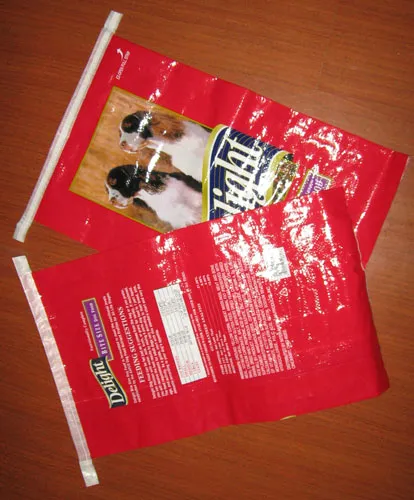
Gravure printing uses engraved metal cylinders to transfer ink, producing the highest print quality available for FIBC applications. It achieves fine detail, smooth gradients, and photographic reproduction quality that neither flexo nor screen can match. Gravure is used primarily for premium branded bags, high-end PP woven bags, and applications where brand presentation is a competitive differentiator.
The significant limitation is cost. Gravure cylinders are expensive to manufacture, and the setup cost is only economical for production runs of 10,000 bags or more. For most FIBC applications, flexo provides the best balance of quality, cost, and production efficiency.
Design Guidelines for Woven Polypropylene
Designing for woven PP requires accommodating the fabric’s texture, which is fundamentally different from paper or smooth plastic film. Fine lines below 2mm in width tend to break up on the weave and become illegible. Small text below 12-point size is difficult to read reliably. Serif fonts lose detail to the weave pattern; sans-serif fonts are strongly preferred for legibility. Colors with high contrast to the bag fabric — white ink on black fabric, black on white, dark blue on beige — produce the best visibility.
Logo designs intended for FIBC printing should be simplified from their corporate versions. Remove fine gradients, thin outlines, and small details that will not reproduce on the textured surface. A simplified logo that prints cleanly is far more effective than a detailed logo that becomes a blur of ink on the bag.
Cost Factors and MOQ Considerations
Several factors drive printed FIBC costs. The number of colors is the largest variable: single-color printing is the most economical, each additional color adds approximately $0.10 to $0.30 per bag. The print coverage area matters — a small logo on one side costs less than full-wrap multi-side branding. Setup costs, including plate or screen fabrication, are amortized over the production quantity, creating a strong volume discount curve.
Minimum order quantities for custom printed FIBCs typically start at 500 to 1000 bags for screen printing and 2000 to 3000 bags for flexo, where plate costs can be justified. For very small orders under 500 bags, pre-printed label application may be more economical than direct fabric printing.
Information Printing: UN Marks, Batch Codes, QR Codes
Beyond branding, FIBC printing serves critical compliance and traceability functions. UN certified bags for hazardous materials transport must display specific markings including the UN packaging symbol, packaging code, year of manufacture, and certifying authority. Batch codes or lot numbers printed directly on the bag fabric enable traceability from production records to end-use applications. QR codes are increasingly used to link each bag to digital documentation including test certificates, material certifications, and chain-of-custody records.
These information prints are typically done in single-color black ink using flexo or thermal transfer methods, prioritizing legibility and durability over aesthetics. The placement should be consistent and visible, typically on the side panel or top skirt.
Multi-Side Printing: 1-Side vs 4-Side Branding
The simplest and most economical approach is printing on one side panel only. For many applications, this is sufficient — the printed side is oriented outward in storage and the bag is identifiable. Two-side printing (front and back) ensures visibility regardless of orientation. Four-side printing provides 360-degree branding, ensuring the bag is identifiable from any angle in a warehouse or on a truck.
Each additional side adds approximately 30-50% to the printing cost, so the decision should be based on how the bags will be stored and viewed. Bags stored in single-depth rows only need one-side printing. Bags stored in blocks where any face may be visible benefit from multi-side coverage.
Ink Types and Outdoor Durability
Standard flexo and screen inks for FIBC use solvent-based or water-based formulations designed for polyolefin substrates. For bags stored outdoors, UV-stabilized inks should be specified — standard inks will fade significantly within 2-3 months of direct sun exposure. For food-grade applications, inks must be low-migration formulations that will not transfer through the bag fabric to the contents.
Choosing the Right Method for Your Needs
For most standard FIBC orders of 2000 bags or more, flexographic printing on one or two sides with up to three colors provides excellent branding at reasonable cost. For smaller quantities, screen printing is the practical choice. For premium brands where presentation directly influences customer perception, gravure printing on a 4-panel FIBC or U-panel FIBC with four-side coverage makes the strongest visual impact. The right choice balances brand requirements, budget, order quantity, and the practical realities of printing on woven polypropylene fabric.