Pharmaceutical-Grade Bulk Container Supply
A Pharmaceutical Ingredients Supplier, South Asia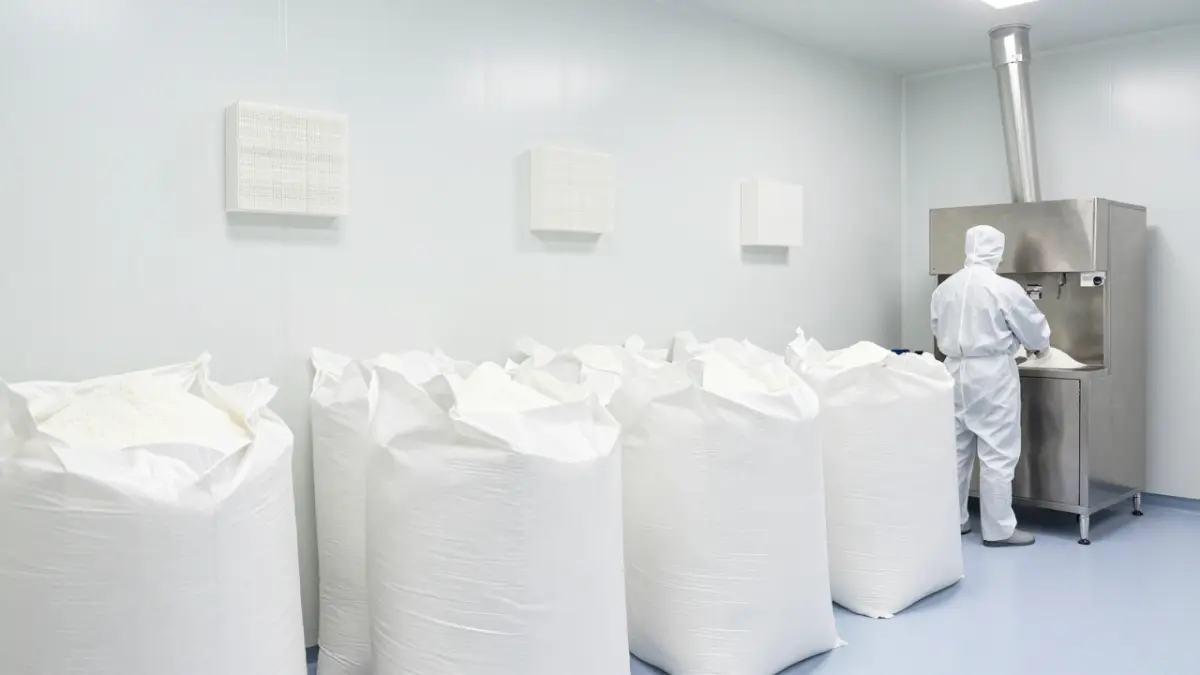
Challenge:
Active pharmaceutical ingredient powders required both pharmaceutical-grade cleanliness for regulatory compliance and static protection for safe handling, a combination no single packaging solution had previously provided.
Solution:
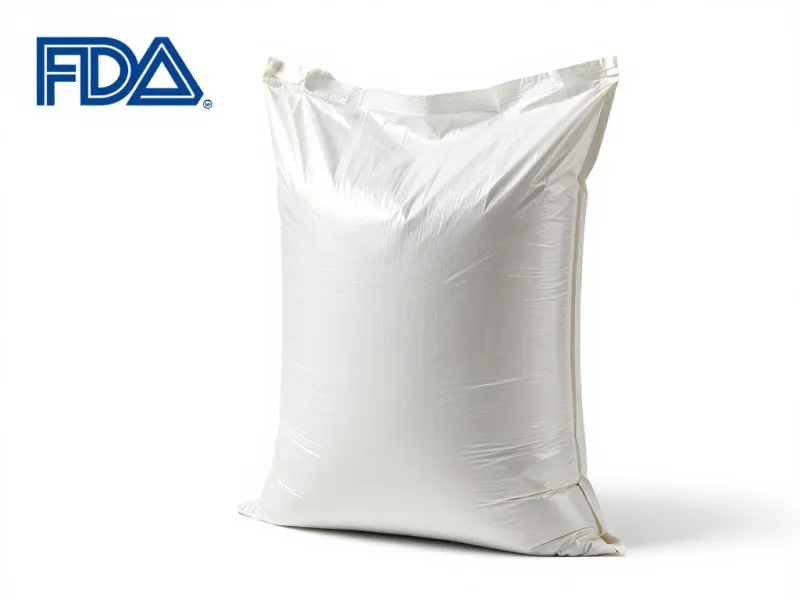
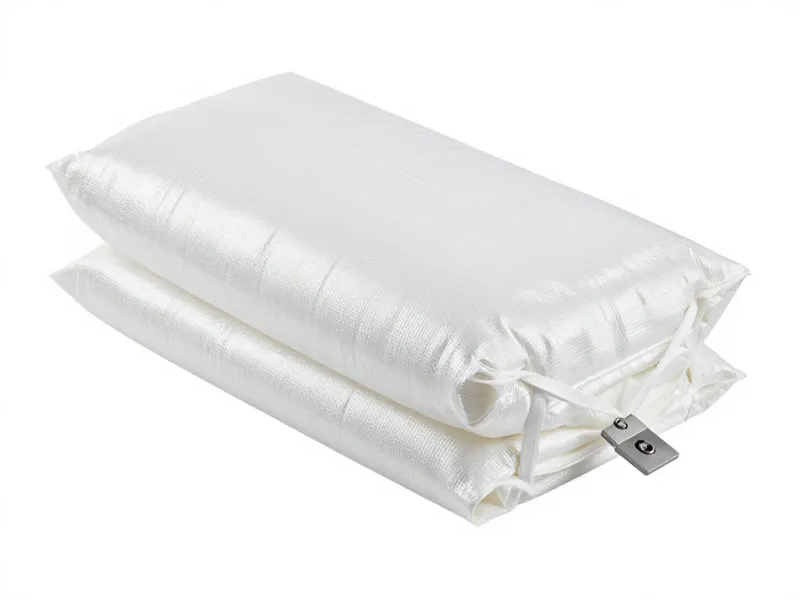
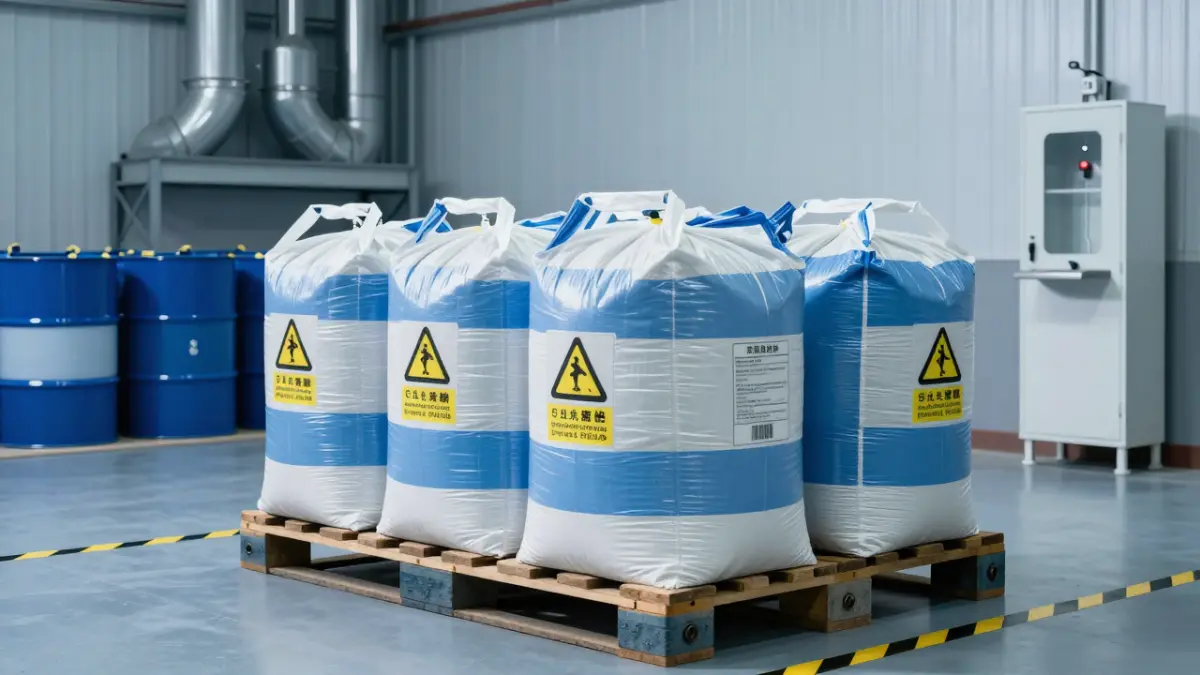
Dual-certified Food-Grade FIBCs with integrated conductive threads were manufactured in a clean-room facility, delivering pharma-grade cleanliness and static dissipation in a single packaging system.
Result:
Passed both FDA and EU GMP audits without packaging-related findings, achieving a 99.8% product integrity rate across all shipments.
Background
A pharmaceutical ingredients supplier based in South Asia produces active pharmaceutical ingredients (APIs) and excipient powders for formulation plants in North America, Europe, and Japan. The company is a critical link in the global pharmaceutical supply chain, and their packaging must meet the stringent cleanliness and safety standards imposed by multiple regulatory authorities.
The company had been using separate packaging systems for different product lines: Food-Grade FIBCs for non-flammable excipients and Type C Conductive FIBCs for static-sensitive API powders. This dual-system approach created inventory complexity, increased the risk of cross-use errors, and made audit preparation burdensome because two separate qualification packages had to be maintained.
The Challenge
Several of the supplier’s API powders are both static-sensitive during pneumatic transfer and subject to strict particulate and biological contamination limits under FDA and EU Good Manufacturing Practice (GMP) regulations. No single packaging product in the market could simultaneously deliver pharmaceutical-grade cleanliness levels and static dissipation capability.
During their most recent FDA audit, the agency noted that maintaining two separate packaging systems increased the risk of incorrect bag selection, and recommended consolidating to a single system that could meet both requirements. The supplier’s European customers also began requiring documented evidence that all bulk containers were produced in certified clean-room conditions, a specification that their existing bag suppliers could not meet.
The supplier needed a packaging partner willing to develop and qualify a custom dual-purpose FIBC, manufactured in a clean-room environment, with full validation documentation suitable for regulatory submission.
Our Approach
We collaborated with the supplier’s quality assurance team to define the exact specifications for a dual-certified FIBC that would combine the particulate and biological cleanliness standards of our Food-Grade FIBC with the static dissipation performance of our Type C Conductive FIBC. The bags were manufactured in our ISO Class 7 clean-room facility using low-particulate fabrics and conductive threads woven to IEC 61340-4-4 specifications.
A comprehensive qualification protocol was developed that included particulate testing, biological contamination screening, static dissipation performance validation, and extractable and leachable studies on all materials contacting the product. We produced full validation reports in a format acceptable to both FDA and EU GMP auditors, with complete traceability from raw material certificates through manufacturing records to final release testing.
To support the supplier’s audit readiness, we provided a standing documentation package that is updated with each production batch, including certificates of analysis, clean-room environmental monitoring records, and conductive thread continuity test results.
Results Delivered
The supplier successfully passed their next FDA inspection and EU GMP audit with zero packaging-related observations, a first in the company’s history. Product integrity testing across all shipments showed a 99.8% conformance rate, meaning only two bags out of every thousand showed any detectable quality deviation, well within pharmaceutical industry thresholds.
Consolidating from two packaging systems to one dual-purpose FIBC reduced the supplier’s packaging inventory costs by 35% and eliminated the risk of incorrect bag selection on the production floor. The comprehensive documentation package reduced audit preparation time from three weeks to three days, freeing quality assurance staff to focus on process improvement rather than paperwork. The supplier has since renewed their contract for an additional three years and expanded the arrangement to cover two additional product lines.