Food-Grade Grain Export to Middle East
A Grain Exporter, Eastern Europe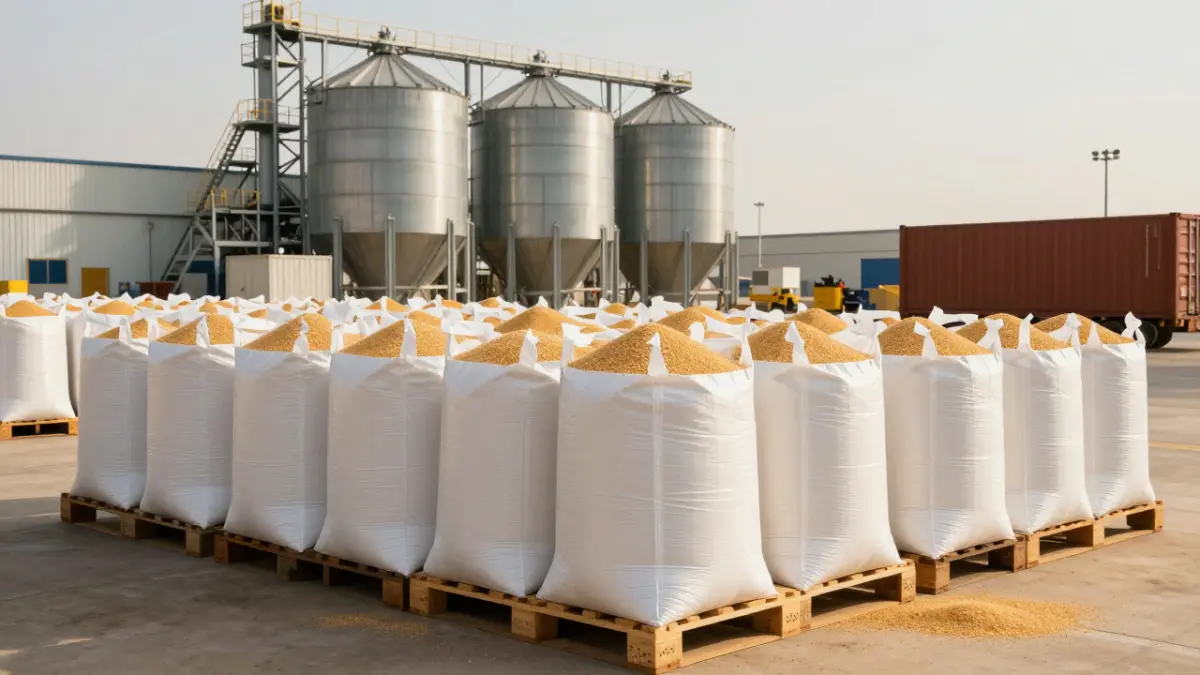
Challenge:
Securing FDA and BRC compliant packaging for bulk grain shipments to Middle Eastern markets with strict import regulations.
Solution:
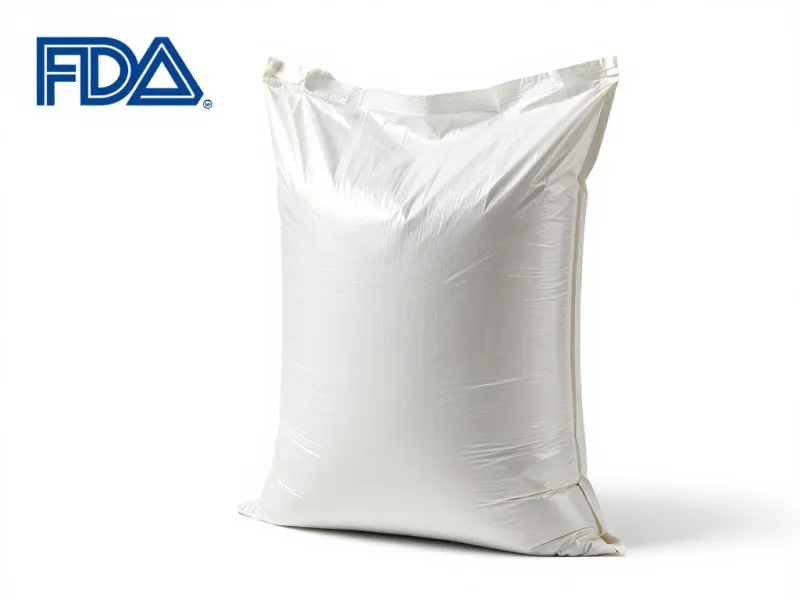
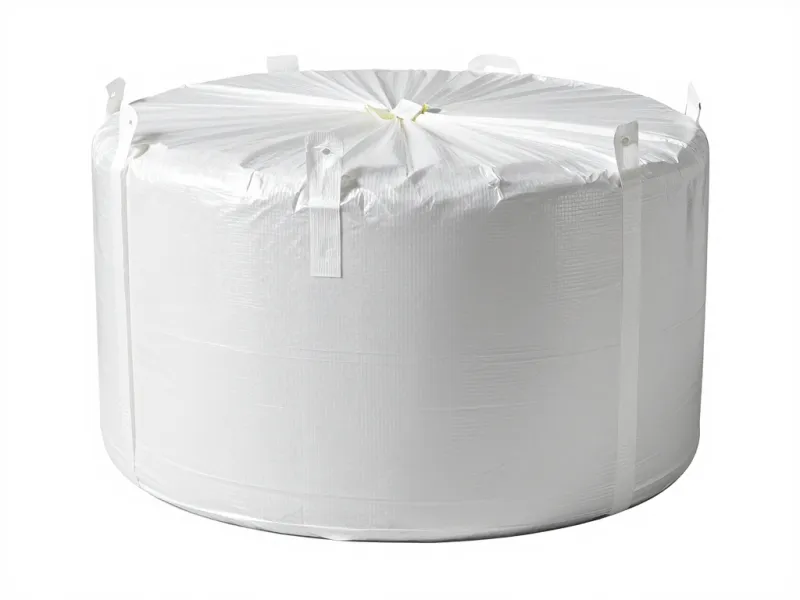
Food-Grade FIBCs with integrated PE liners produced from a BRC-certified manufacturing facility, paired with Circular FIBCs for non-food-grade secondary shipments.
Result:
Zero rejection at customs across 12 shipments, 20% reduction in packaging waste, and a 30% faster clearance process.
Background
A mid-sized grain exporter based in Eastern Europe was scaling its operations to serve growing demand across the Middle East. The company handled wheat, barley, and sunflower seeds, shipping over 5,000 metric tons per quarter. Their existing packaging supplier could not consistently meet the stringent food safety documentation required by destination markets.
With regulatory scrutiny increasing at ports of entry, the exporter needed a reliable packaging partner capable of delivering certified food-grade solutions at scale.
The Challenge
Middle Eastern import authorities require full traceability and certification for all food-contact packaging materials. The exporter’s previous bags lacked proper FDA and BRC documentation, leading to occasional shipment holds at customs. Each hold cost between $8,000 and $15,000 in demurrage fees and delayed delivery by two to three weeks.
Additionally, the company needed different packaging for food-grade primary shipments versus secondary industrial-grade shipments, complicating their procurement process. Managing multiple suppliers for these distinct needs created inconsistent quality and delivery timelines.
Our Approach
We worked closely with the exporter’s logistics team to understand their two-tier shipping requirements. For primary food-grade shipments, we supplied Food-Grade FIBCs with integrated PE liners manufactured at our BRC-certified facility. Each bag came with full batch-level documentation, including material traceability certificates and compliance letters accepted by Middle Eastern customs authorities.
For secondary industrial-grade shipments, we provided Circular FIBCs that offered the same structural reliability at a lower cost point. Both product lines shared consistent dimensions and filling configurations, allowing the exporter to use the same filling and handling equipment across their warehouse.
We also implemented a quarterly quality audit program, sending random samples from each production lot to an independent testing laboratory. This gave the exporter verifiable third-party test results to present to customs brokers proactively.
Results Delivered
Over the first six months of the partnership, the exporter completed 12 full shipments with zero customs rejections or holds. Packaging waste dropped by 20% after switching to precisely sized bags that eliminated overfilling and material surplus.
Customs clearance times improved by 30%, as authorities became familiar with the consistent documentation package accompanying each shipment. The exporter estimated total cost savings of $120,000 in the first year when combining reduced demurrage fees, lower packaging waste, and streamlined procurement from a single supplier.