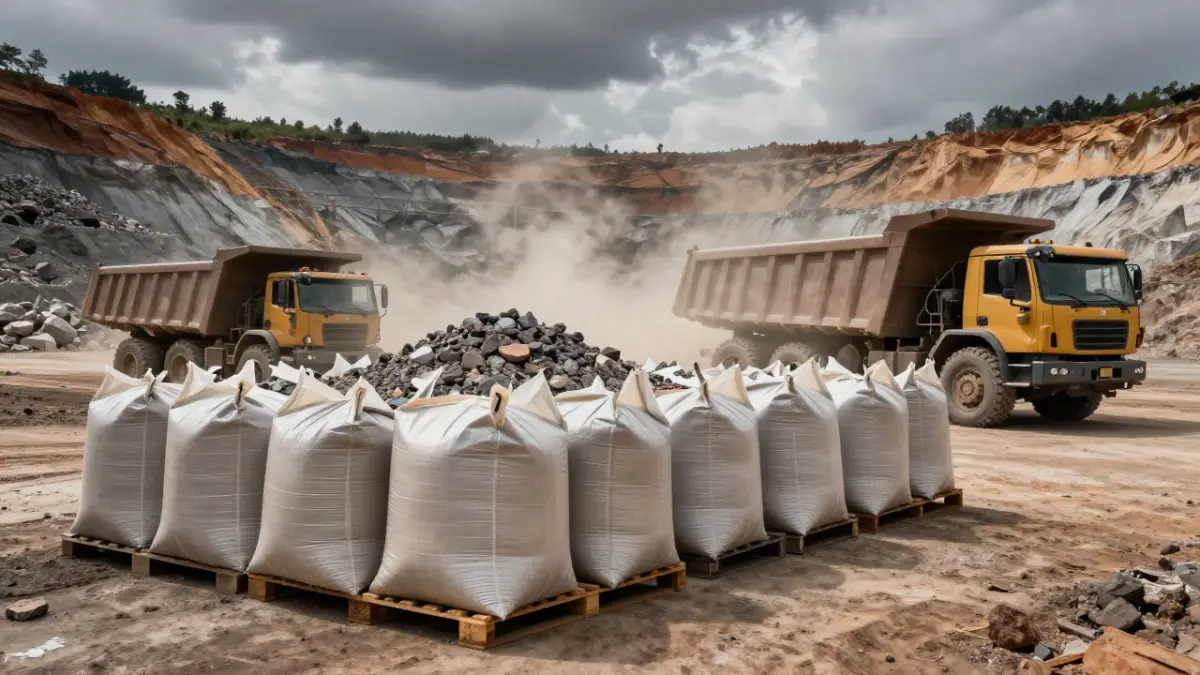
Container Optimization for Export Shipment
A Global Trading Company, East Asia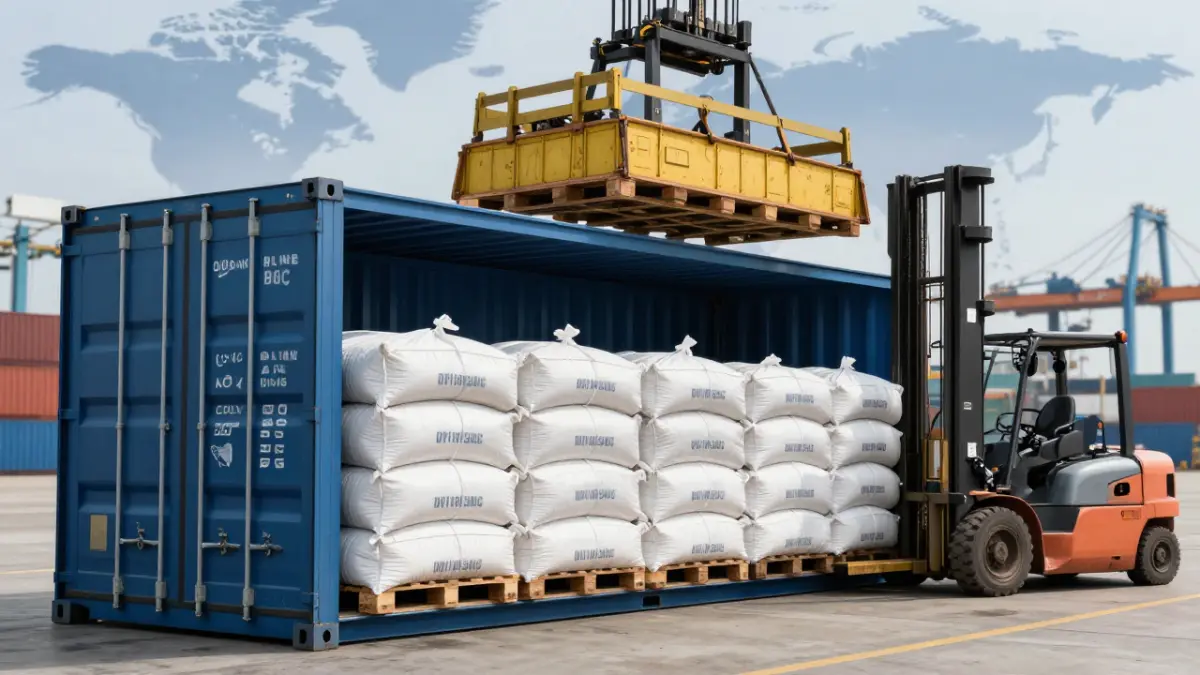
Challenge:
Bulging FIBCs were wasting valuable container space during export shipments, driving up per-unit shipping costs and reducing the company's competitiveness in overseas markets.
Solution:
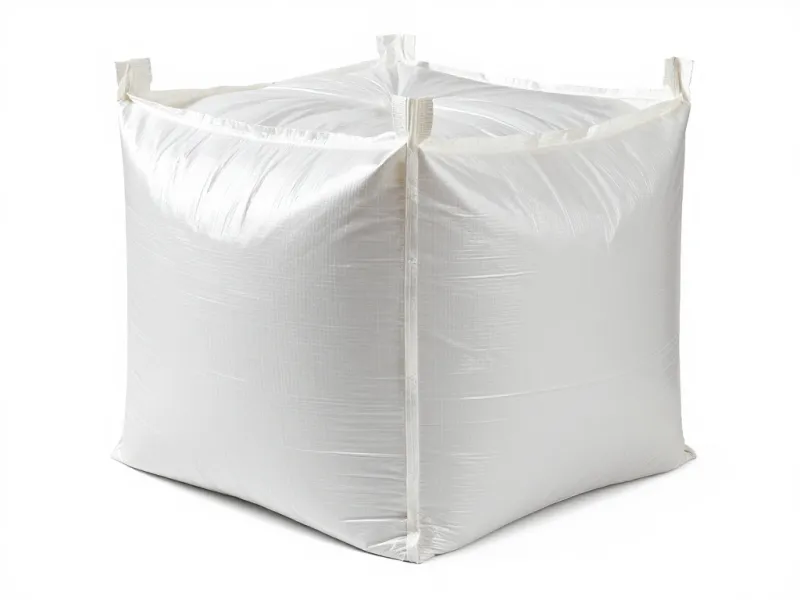
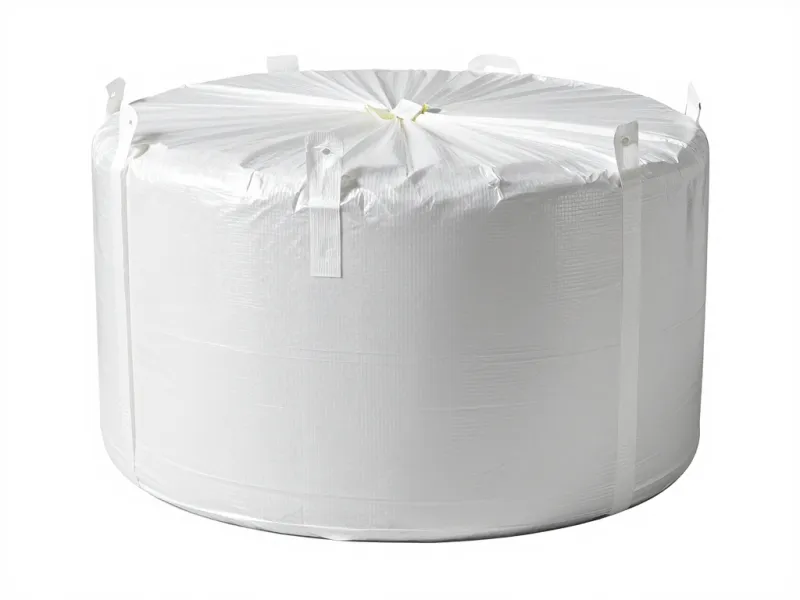
We provided baffle bags for square-stackable loading of granular products and circular FIBCs optimized for fine powder materials, ensuring maximum fill efficiency across the full product range.
Result:
The company achieved 25% more product per container and reduced shipping cost per ton by 18%, directly improving export margin profitability.
Background
An established global trading company based in East Asia exports a diverse portfolio of dry bulk commodities, ranging from granular agricultural products to fine industrial powders, to buyers across Europe, the Americas, and Africa. With containerized ocean freight representing one of their largest operational cost centers, even marginal improvements in packing efficiency translate directly into meaningful margin gains.
The Challenge
The company had been using standard circular FIBCs across its entire product range, which led to a recurring problem: granular products caused the bags to bulge into rounded shapes during filling, creating dead space between bags inside standard 20-foot and 40-foot containers. Fine powder products presented a separate challenge, as they required bags with superior sift resistance and consistent fill profiles. The cumulative effect was containers regularly departing at only 70-75% of theoretical capacity, with shipping costs per ton significantly above what the company’s finance team had budgeted.
Our Approach
We conducted a container loading analysis for the client’s top ten export SKUs and recommended a segmented packaging strategy. For granular and coarse products, we supplied baffle bags engineered with four internal baffles that maintain a rectangular cross-section when filled, allowing the bags to be arranged in tight rows with minimal void space. For fine powder exports, we manufactured circular FIBCs with coated fabric liners and specialized anti-sift seams that prevent product leakage while maintaining a predictable fill shape. We also provided detailed container loading plans specifying the optimal bag arrangement for each product-container combination, which the client integrated into their warehouse management system.
Results Delivered
After transitioning to the new packaging configuration, the trading company packed 25% more product into each container on average across its export portfolio. Shipping cost per ton dropped by 18%, generating annualized freight savings that exceeded the cost of the packaging upgrade within the first quarter. The improved container fill rates also reduced the total number of container movements required, lowering the company’s carbon footprint per ton shipped and supporting its sustainability reporting targets.