Agrochemical Regional Supply Chain Optimization
An Agrochemical Company, South America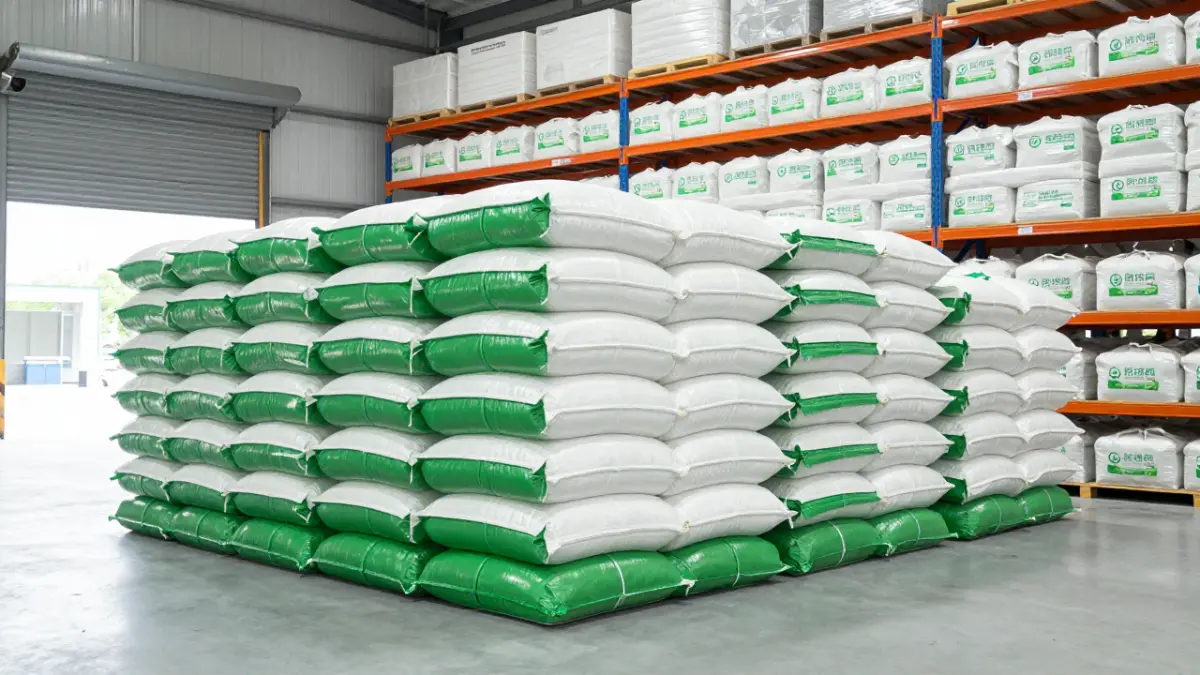
Challenge:
Seasonal demand spikes of up to three times normal volume overwhelmed packaging supply chains, causing stockouts and delayed shipments during critical planting windows.
Solution:
Pre-positioned regional inventory combining Circular FIBCs for bulk distribution and PP Woven Bags for retail-sized packaging enabled rapid scale-up without lead time delays.
Result:
45% reduction in lead times, successfully handled three times peak season volume, and achieved a 98% on-time delivery rate during the highest demand quarter.
Background
A large agrochemical company operating across multiple South American countries produces fertilizers, herbicides, and pesticide formulations for both industrial agricultural operations and retail distribution networks. The company’s business is intensely seasonal, with demand concentrated in the planting and growing seasons that vary by region and crop type.
Historically, the company sourced packaging from multiple local suppliers with inconsistent quality and limited production capacity, creating a fragmented supply chain that could not scale rapidly enough when seasonal demand surged.
The Challenge
During peak planting seasons, demand for packaged agrochemicals can spike to three times the off-season baseline within a matter of weeks. In the previous season, the company experienced critical packaging shortages that forced them to delay shipments to key accounts, resulting in estimated lost revenue of $1.2 million and strained relationships with several major distributors who threatened to switch to competitors.
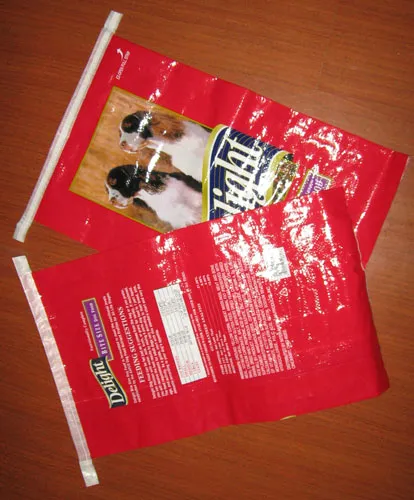
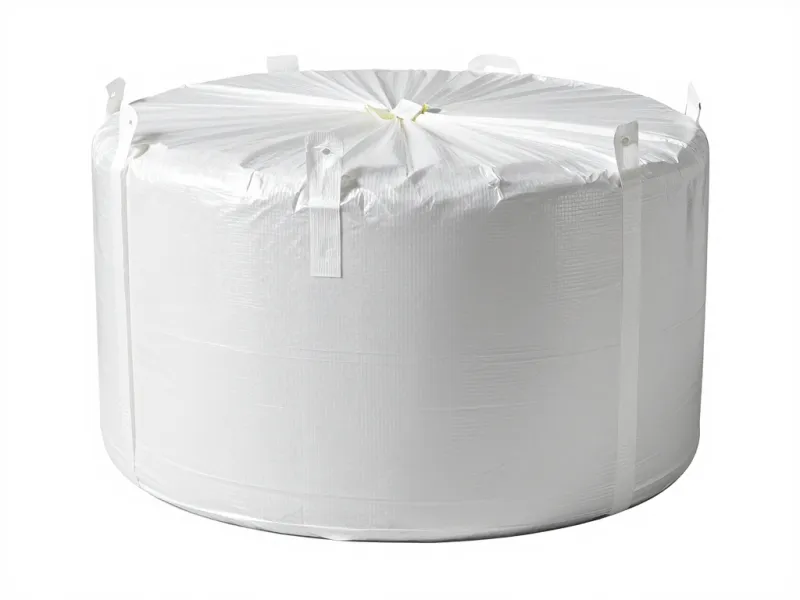
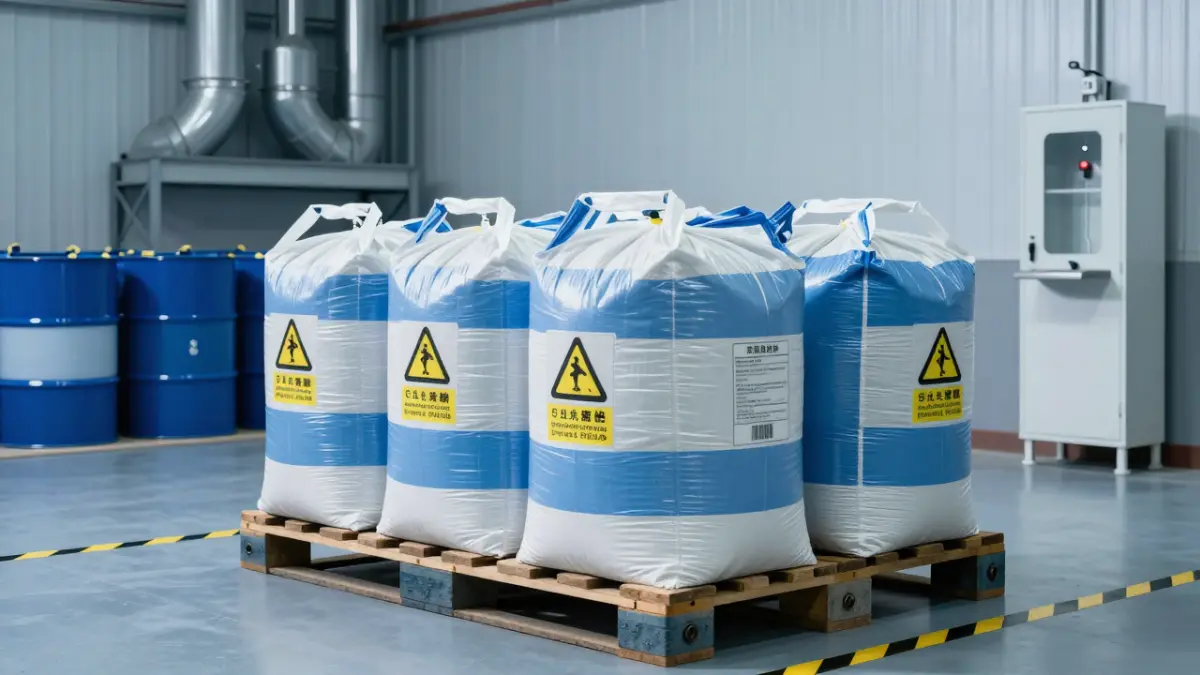
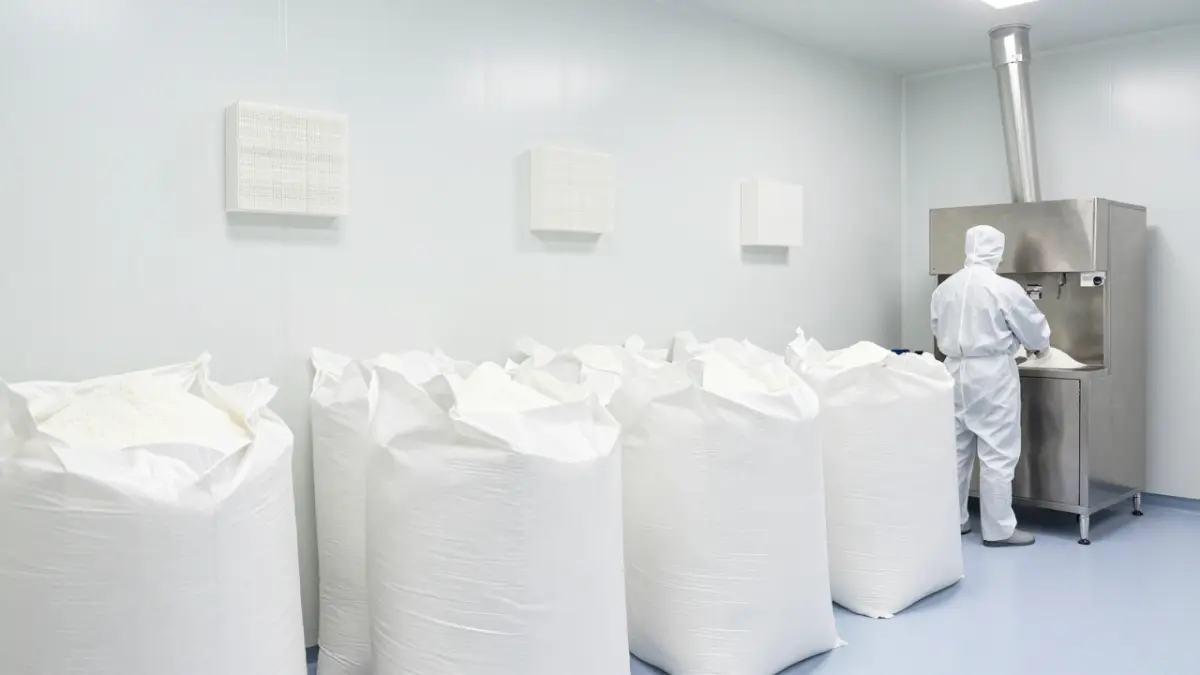
The company needed two packaging formats: Circular FIBCs for bulk shipments to large agricultural operations and cooperatives, and PP Woven Bags in smaller sizes for retail distribution through agricultural supply stores. Local suppliers could not guarantee consistent quality or volume across both formats simultaneously, and importing packaging on short notice involved prohibitive lead times of 45 to 60 days.
The challenge was to establish a reliable, pre-positioned packaging supply chain that could absorb seasonal demand spikes without requiring emergency orders or compromising on quality consistency.
Our Approach
We designed a demand-driven inventory management program tailored to the company’s seasonal patterns. Based on three years of historical order data, we calculated the packaging volumes needed for each season and pre-manufactured the required Circular FIBC and PP Woven Bag inventory during off-peak periods when our production lines had available capacity.
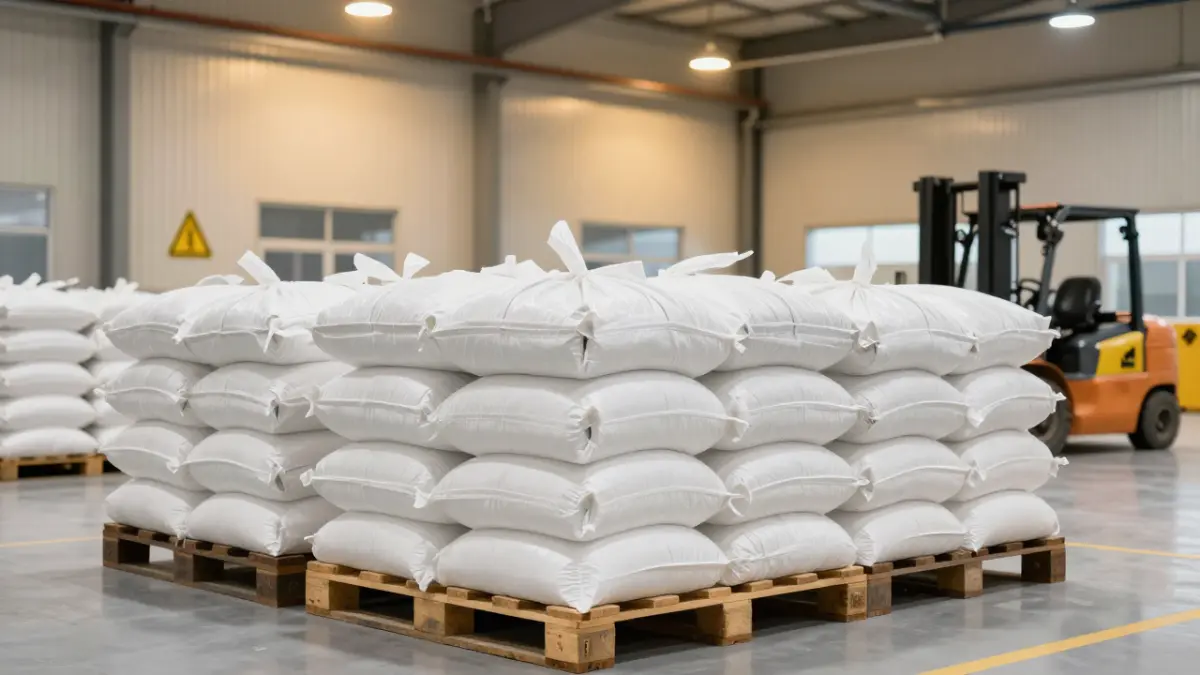
The pre-positioned inventory was stored in a regional warehouse strategically located to serve all of the company’s distribution centers within a 48-hour delivery window. Both packaging formats were manufactured to identical quality specifications, ensuring consistent performance regardless of when in the production cycle the bags were made.
We implemented a rolling replenishment system where real-time order data from the agrochemical company triggers automatic production scheduling at our facility, maintaining a minimum buffer stock equivalent to four weeks of peak demand at all times. The PP Woven Bags were configured with custom printing for the company’s branded retail lines, while the Circular FIBCs were produced with the specific filling and discharge configurations required by the client’s bulk handling equipment.
Results Delivered
In the first full season under the new program, the company reduced packaging lead times by 45%, from an average of 35 days to under 20 days from order to delivery. When peak season demand hit three times the baseline volume, the pre-positioned inventory and replenishment system handled the surge without a single stockout event.
On-time delivery improved to 98% during the highest demand quarter, compared to 76% in the prior season under the old supply arrangement. The elimination of emergency air freight shipments for packaging alone saved approximately $180,000 in logistics costs. Perhaps most importantly, the company was able to fulfill all orders from its three largest distributors on time, preserving those critical commercial relationships and positioning the company for a 15% revenue increase in the following fiscal year.