Complete Guide to FIBC Safety Standards and Certifications
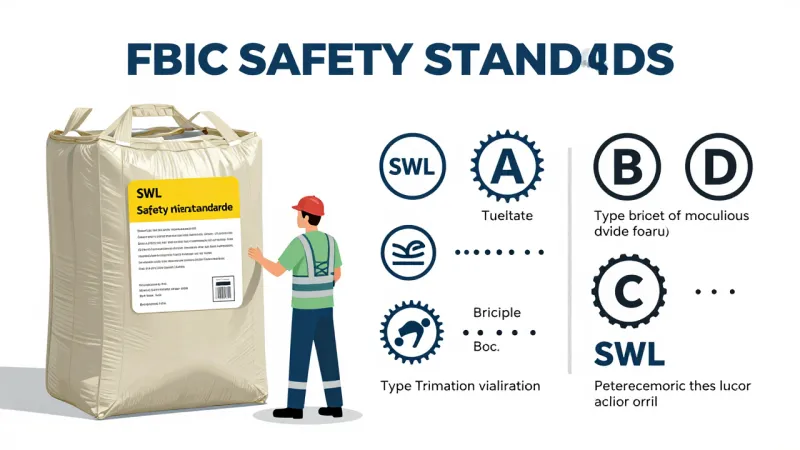
Understanding FIBC safety standards is essential for any business that handles, transports, or stores bulk materials in flexible intermediate bulk containers. These standards exist to protect workers, products, and facilities from the risks associated with improper bulk packaging. Whether you are new to FIBCs or looking to deepen your knowledge, this guide covers the foundational concepts you need to know.
Safe Working Load (SWL) and Safety Factors
Every FIBC bag is rated with a Safe Working Load (SWL), which indicates the maximum weight the bag is designed to carry under normal conditions. Common SWL ratings range from 500kg to 2000kg. However, the SWL alone does not tell the full story. The safety factor (SF) is a multiplier that determines the bag’s breaking strength relative to its rated capacity. The industry standard safety factor is 6:1 for single-trip bags and 5:1 for multi-trip bags. This means a bag rated at 1000kg SWL with a 6:1 safety factor has been tested to withstand 6000kg before failure.
FIBC Type Classifications
FIBCs are classified into four types based on their electrostatic properties, which determine their suitability for different environments. Type A bags have no electrostatic protection and are suitable for non-flammable products in non-flammable environments. Type B bags are similar to Type A but are constructed from insulating fabric with a breakdown voltage below 4kV, making them suitable for dry, flammable powders where no flammable solvents or gases are present. Type C bags, also known as conductive or groundable FIBCs, are made from conductive fabric that must be electrically grounded during filling and emptying. Type D bags provide electrostatic protection through special antistatic fabric without requiring grounding, offering convenience and safety for flammable environments.
UN Certification for Hazardous Materials
When FIBCs are used to transport hazardous materials classified under the United Nations Recommendations on the Transport of Dangerous Goods, they must carry UN certification. This involves rigorous testing including drop tests, topple tests, tear tests, and stacking tests. UN-certified bags are marked with a specific code that indicates the type of hazardous material they are approved to carry, their gross mass, and the year of manufacture. It is critical to match the UN certification rating to the specific hazardous material being transported.
Selecting the Right FIBC for Your Needs
Choosing the correct FIBC involves evaluating your product characteristics, handling environment, transport conditions, and regulatory requirements. Consider whether your product is flammable, whether the environment contains flammable vapors or dust, the weight and flow characteristics of your product, and any specific industry regulations that apply. Working with a knowledgeable FIBC supplier who understands these standards ensures you select packaging that is both compliant and optimized for your specific application.