Baffle Bag vs U-Panel FIBC: Which Is Right for You?
When selecting an FIBC for your bulk packaging needs, the bag’s construction type has a direct impact on filling performance, storage efficiency, and transportation costs. Two of the most widely used construction types — baffle bags and U-panel FIBCs — each offer distinct advantages. Understanding how they differ helps you choose the right bag for your specific product and logistics requirements.
What Is a U-Panel FIBC?
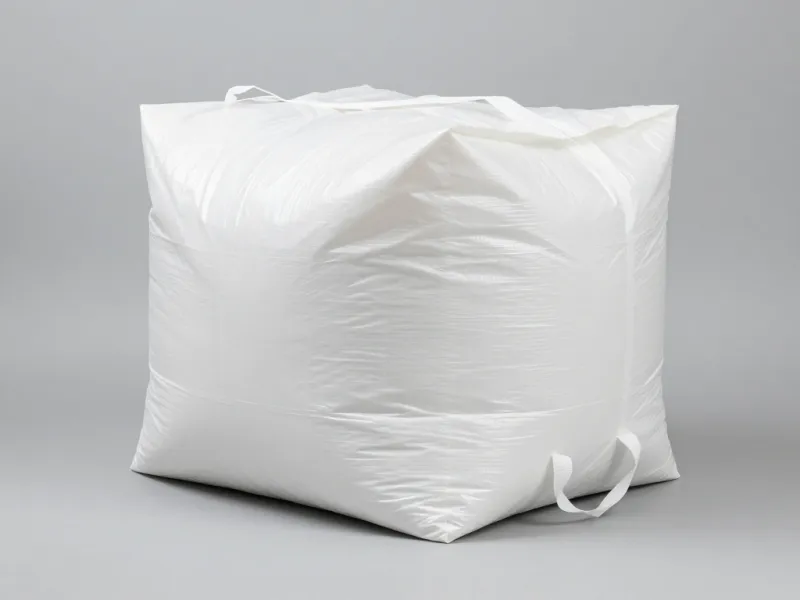
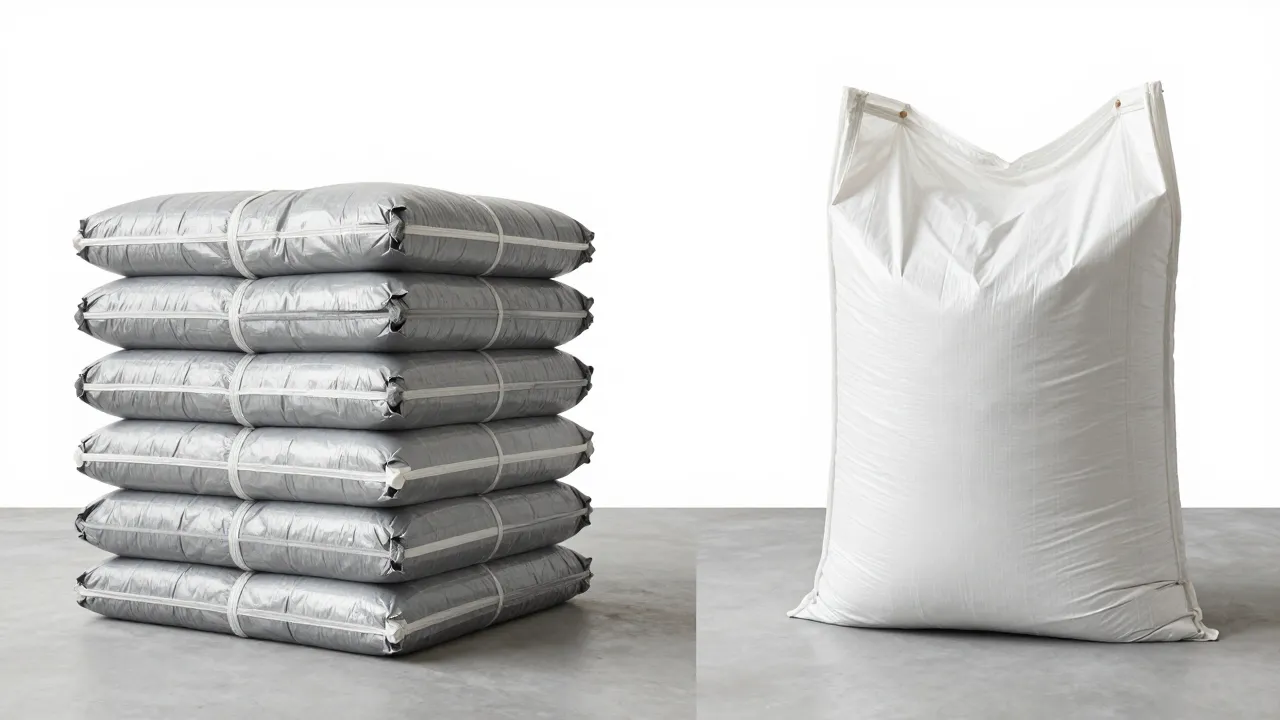
A U-panel FIBC is constructed from three panels of fabric: one continuous piece forms the bottom and two sides in a U-shape, while two separate panels form the other two sides. This construction method creates a bag with square or rectangular sides when filled, providing good stability and a consistent shape. U-panel construction is one of the most popular FIBC designs globally because it balances structural performance with manufacturing cost. The flat sides stack well on pallets and in shipping containers, making U-panel bags a practical choice for most general bulk packaging applications.
What Is a Baffle Bag?
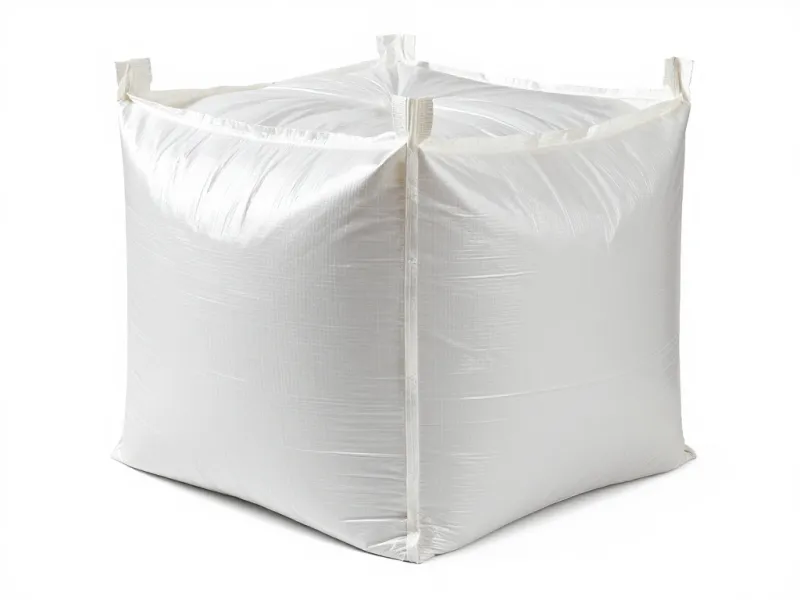
A baffle bag, sometimes called an SQ bag (square bag), incorporates internal baffle panels made of breathable fabric that are sewn into the corners of the bag. These baffles hold the bag in a square shape when filled, preventing the bulging that occurs with standard FIBC constructions. The internal baffles allow the bag to maintain nearly perfect rectangular proportions even when filled with loose or flowable materials. This shape retention is the defining characteristic that sets baffle bags apart from other FIBC types.
Shape Stability and Stackability
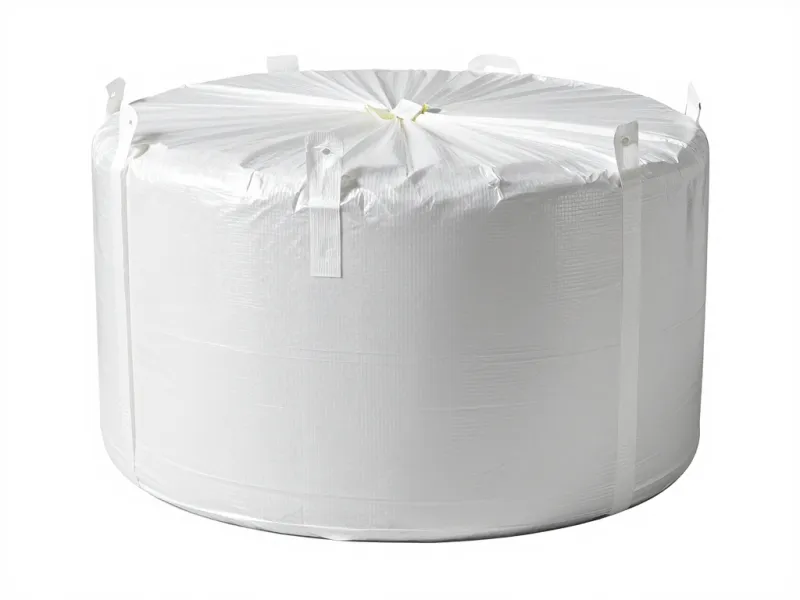
The primary advantage of baffle bags is their superior shape stability. When a standard U-panel bag is filled with a free-flowing product like grain or plastic resin, the sides tend to bulge outward, creating a rounded profile. This bulging wastes space in shipping containers and can create unstable stacks. Baffle bags maintain their rectangular shape, allowing you to fill them closer to maximum capacity and stack them more efficiently. In containerized shipments, baffle bags can increase volumetric utilization by 15 to 25 percent compared to non-baffled bags, depending on the product and fill density.
Filling Efficiency and Product Flow
Baffle bags are designed so that the internal baffles do not block product flow. The baffle panels are made from the same woven polypropylene as the bag body or from a mesh material that allows the product to pass through freely while maintaining the structural shape. However, for dense or sticky products, the baffles can occasionally create slight resistance during filling. U-panel bags have no internal obstructions, so they fill quickly and completely with virtually any material. For products with poor flow characteristics, a U-panel design may fill faster and more consistently.
Cost Comparison
U-panel FIBCs are generally less expensive than baffle bags because they require less fabric, fewer seams, and simpler manufacturing processes. Baffle bags involve additional material for the internal panels and more complex sewing operations, which increases the per-unit cost. However, the cost difference must be evaluated against total logistics savings. If baffle bags allow you to ship more product per container or reduce the number of bags needed, the higher unit cost is often offset by lower per-ton transportation costs.
Choosing the Right Bag for Your Application
Choose baffle bags when your product is free-flowing, you need maximum container utilization, or you are shipping in containers where stackability is critical. Choose U-panel FIBCs when your product is dense or sticky, you need a cost-effective solution for general packaging, or your handling equipment requires a simpler bag profile. In many cases, both bag types can work for the same product — the decision comes down to optimizing your total cost of packaging, storage, and transportation.